Zen and the art of washing machine maintenance
An inquiry into values
By Brody Runga – Ka Rere Te Manu
When I stayed at Tupu Ake for the first time, I didn’t expect to learn about washing machines. I certainly didn’t expect a peer support worker, let’s call him Jim, to teach me something that would stick with me longer than most of the clinical advice I’d ever received.
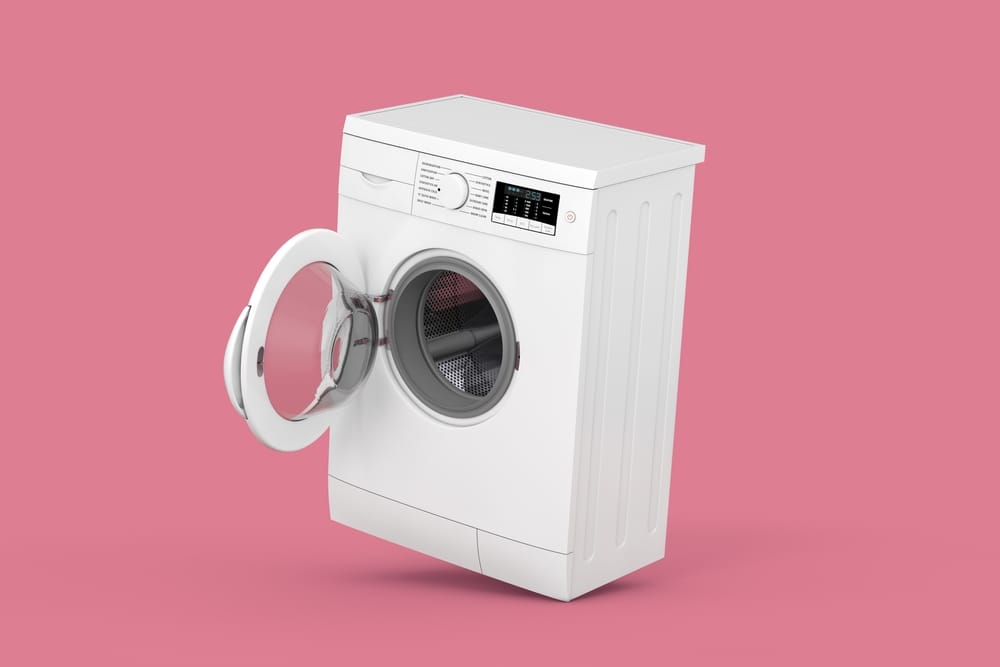
Jim used to be a mechanical engineer. Not a therapist, not a recovery specialist, just someone who’d taken apart hundreds of washing machines and found meaning in how they wore down over time. He told me about two identical machines, running the same loads, same cycles, thousands of times. One used the recommended amount of detergent. The other, slightly more. It was always the second one, the one with “too much” detergent — that lasted longer.
Jim couldn’t tell me how to recover. He didn’t give advice about hearing voices or substance harm or diagnoses. He just told me his story. And by doing that, he gave me permission to exist, not as a problem to be solved, but as a person in process.
That moment was my first real experience of peer support. No scripts. No treatment plans. Just someone who’d been through their own cycles, and showed up as themselves.
This is a story about Tupu Ake. About holding integrity in peer work. About what it means to build systems that care less about fixing and more about relating.
And yes, about detergent. But mostly about values.
Beyond the add-On:
What if Peer Support was the system?
Our visit to TheMHS 2025 Brisbane
What if, instead of building services around clinical control and risk management, we designed systems grounded in connection, attention to power, and curiosity?
This is the future our organisation, Ka Rere Te Manu, works toward every day, and it’s what brought us to Brisbane for TheMHS 2025.
We came to share our mahi, but also to listen — to hear how others across Australasia are rethinking the future of mental health and addiction services.
Doing the work back home
In Aotearoa, we’ve spent the last 2 years providing training and education to embed peer support into clinical spaces — the main focus this year has been in Emergency Departments. At Ka Rere Te Manu, we’ve seen how powerful these partnerships can be when done well.
But we’ve also seen what happens when peer values are not upheld or embraced. Peer integrity begins to slip. Clinical priorities start to dominate, and peer support workers, often unintentionally — adapt to risk-averse systems that prioritise control over connection.
The perils of peer drift
This is how peer drift happens: slowly, subtly, but with real consequences. Instead of offering a genuine alternative to the medical model, peer support becomes another version of it, just with different job titles.
That’s why our focus isn’t just on embedding peer roles, it’s on protecting their core. Supporting peer workers to hold their identity, values, and ways of working, even inside systems that weren’t built for them.
Across the ditch
familiar challenges, shared commitment
In Brisbane, we heard the same tensions we face back home: systems talking about partnership, but still clinging to power. And yet, the energy in the room was real. People weren’t just talking change, they were hungry for it.
If I’m honest, Australia may be slightly ahead in some areas, recently formed National Body of Lived Experience, and Lived Experience Strategies being implemented across the regions. But in Aotearoa, we have stand-alone peer support offerings, and a maturity across our lived experience networks.
On both sides of the ditch, we’re still wrestling with the same tension: how do we honour lived experience without replicating the very systems we came to challenge?
Issuing the wero
So here’s the challenge - the wero- we issued in our symposium, and I’ll offer it again here:
“For Jim[1] – who reminded me that being me was all I needed to be, and for Robert M. Pirsig, who’s book held me through one of the darkest periods of my life and helped me examine the mechanics of my mind.”
[1] Name changed to protect privacy. “Jim” was in fact Bruce, a peer support worker whose memory continues to guide this mahi.