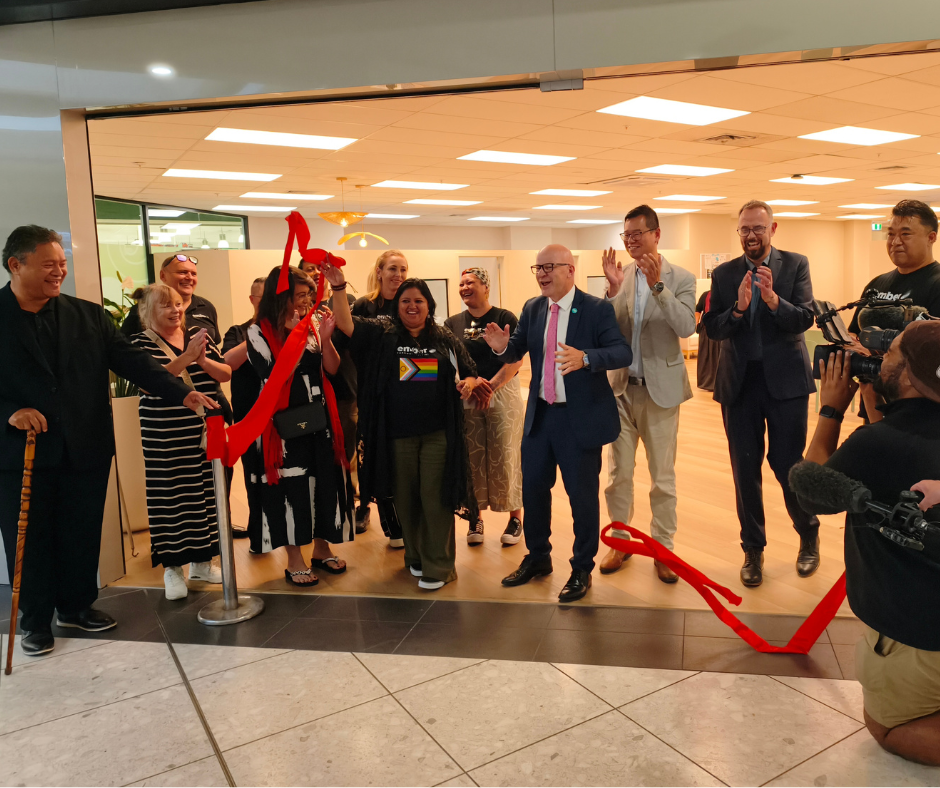
Visible game changer
Hunters Plaza isn’t the kind of place you expect to find mental health support. That’s exactly the point.
Shop 1, nestled just outside Countdown, now houses Te Piringa Āhuru—a walk-in, short-stay peer support hub offering immediate, non-clinical help for people experiencing distress related to mental health or addiction. No appointment. No referral. No judgement.
The support hub was opened by Minister Doocey who proclaimed it a "Game changer"
The space is staffed by trained peer support workers—people with lived experience who know what it means to navigate difficult moments. Whether you're in crisis, or simply need a safe place to talk, the doors are open seven days a week.
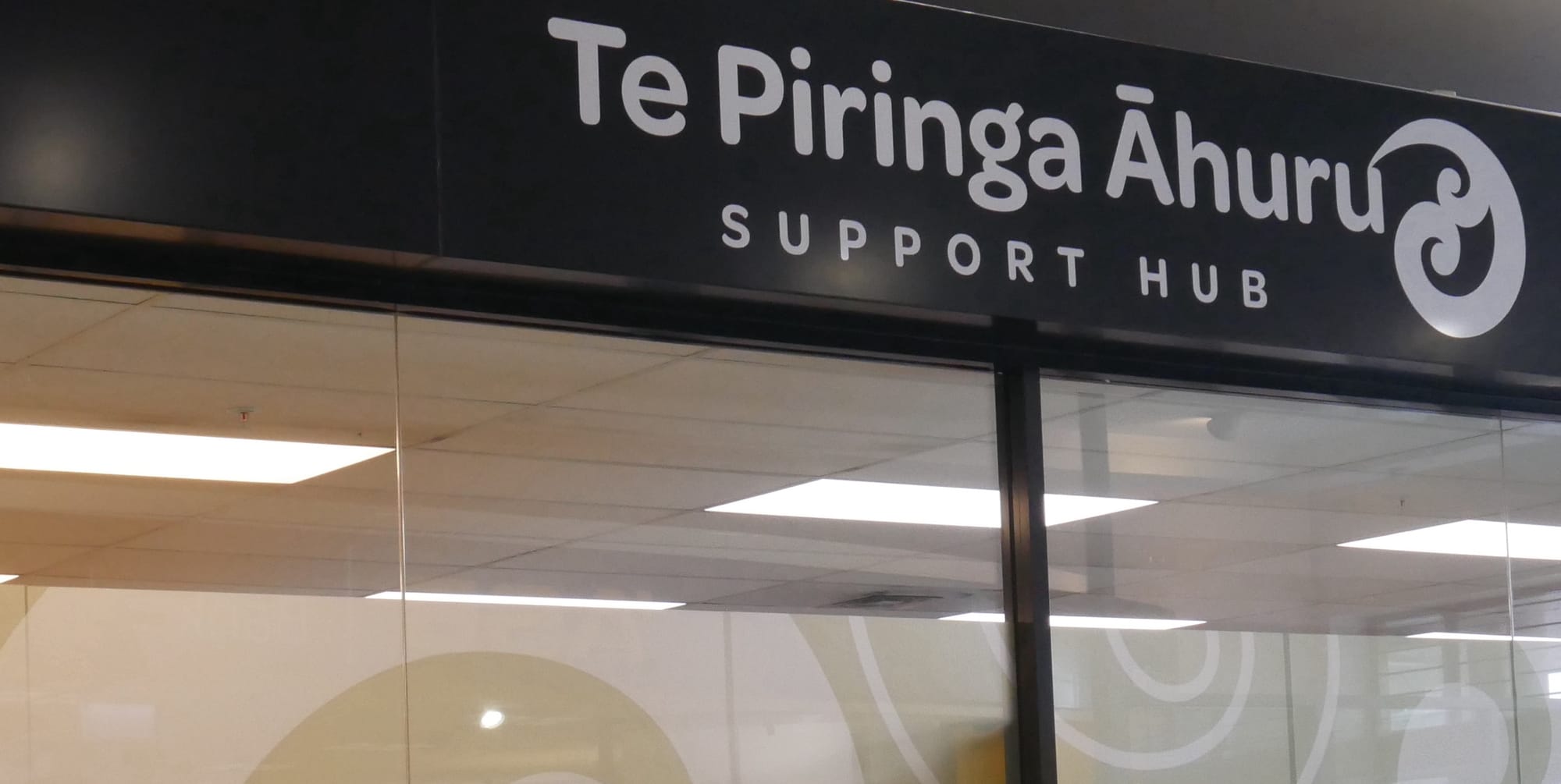
Te Piringa Āhuru offers something quietly radical: visibility.
“Responding to the challenge set by the Minister of Mental Health, we’ve expanded peer-led approaches into new settings, including crisis services and emergency departments and now retail. These are demanding environments, and our lived-experience teams are not just stepping up, they are leading nationally. I couldn’t be prouder of what they’re achieving.”
Darryl Bishop MNZM, CEO, Ember Group
Developed by Ember Korowai Takitini, in partnership with Drive Consumer Network and Te Whatu Ora, the hub is also open to whānau, friends, and anyone supporting a loved one through addiction or distress.
This isn’t about solving everything. It’s about making support radically accessible. Normalising help. Bringing it into the light.
Because real change doesn't always come from behind closed doors. Sometimes, it starts just outside the supermarket.