
Staying in relationship with the difficult
How do we stay connected when we see and experience the world differently
In my role as Managing Director of Courageous Conversation® South Pacific Institute, I work as part of a team across Aotearoa New Zealand and Australia. One question sits at the heart of our work: How do we maintain connection when we must deal with difficult problems or conversations?
We have relationship with the difficult
Across Australia and New Zealand, we are still confronting the racial consequences of colonisation and dispossession for First Nations peoples in Australia and Māori in Aotearoa New Zealand. Reckoning with that history and its continuing consequences while remaining in relationship can be difficult. It is relatively easy to discuss these issues with someone who shares my perspective. That is not where the challenge lies.
That is the work of the institute, see below for links to our sites


Changing culture through interaction
We often work with people and organisations that have good intentions and are committed to achieving better mental health, health or wellbeing outcomes. Yet when we examine the data and listen to the lived experience of the people being served or employed, we often find a real disconnect between those experiences and the organisation’s aspirations. These aspirations are often expressed through equity and inclusion strategies. Our work in Aotearoa New Zealand is grounded in the context of Te Tiriti o Waitangi, while in Australia we work with organisations that may also have commitments expressed through Reconciliation Actions Plans. Our model brings together Indigenous and non-Indigenous facilitators, recognising the histories of Australia and Aotearoa New Zealand.
Organisations respond by establishing culture change projects or putting new values on the wall. As an anthropologist, I believe that misunderstands culture. Culture happens through every interaction within an organisation or community. There may be thousands of those interactions each day. Every one of them gives us an opportunity either to reproduce the culture we have always had or to transform it.
Moving beyond silence and violence
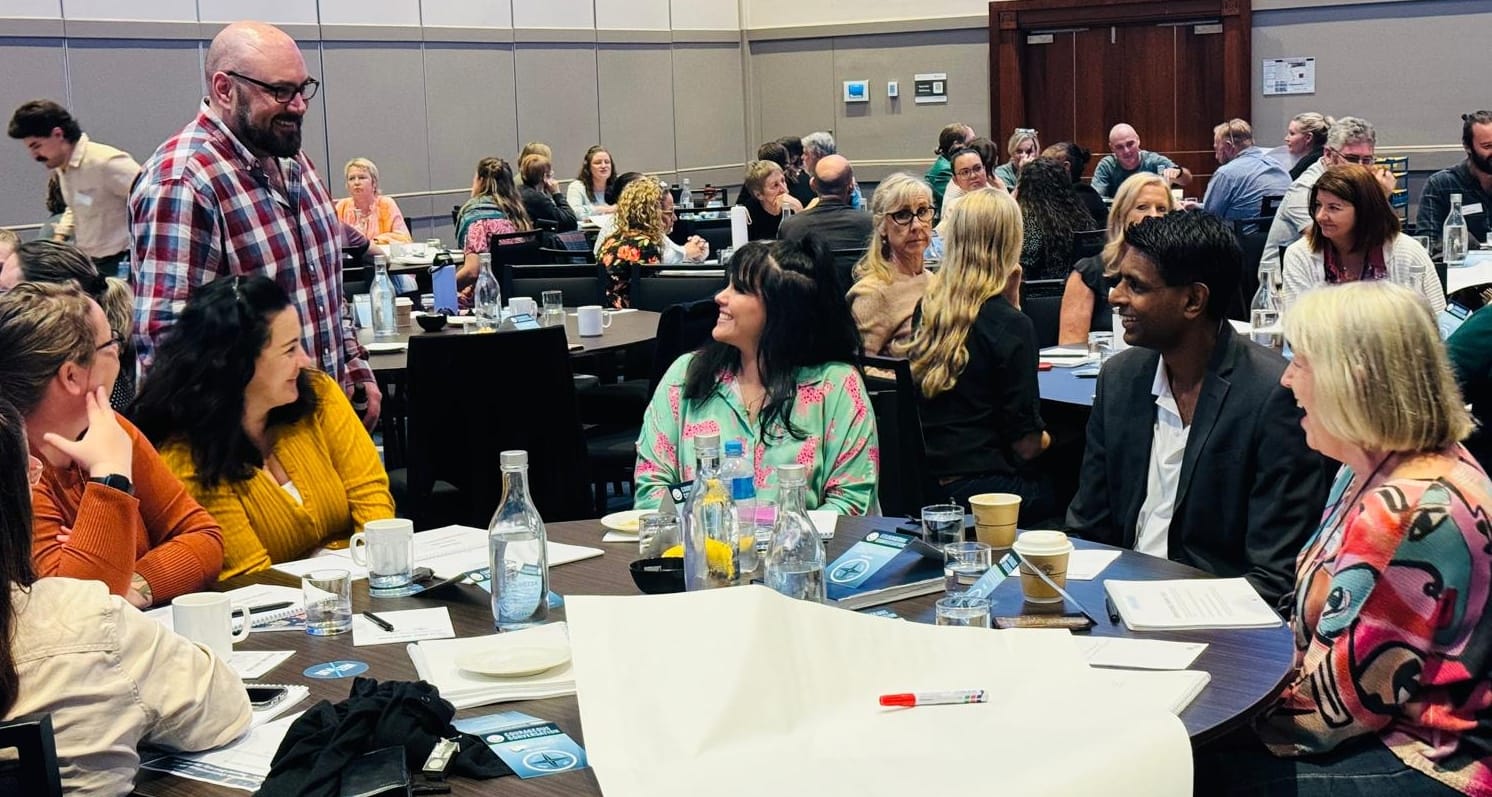
We offer a deeply structured dialogue tool called the Courageous Conversation® Protocol. It helps people enter conversations they may otherwise avoid.
People are fearful of getting things wrong, and it is understandable. We are experiencing profound polarisation, geopolitical instability, division and a lack of trust in institutions. Many people respond by remaining silent. Silence is one of the greatest barriers to a courageous conversation. At the other end of the continuum is what we describe as violence. I am not referring here to physical violence, but to anger, hostility or aggression when these shut down the conversation.
Our protocol is designed to change that dynamic. I want us to be able to hold a conversation that is compassionate, positive and generative. I want us to move forward with the dignity of everyone involved intact.
The goal is not necessarily to change each other’s perspective. We may see the world and have very different lived experiences, but we must still must still live together in shared spaces. If I enter a conversation determined to bring someone around to my way of thinking, I have already imposed an expectation that limits what the conversation can achieve.
Recognising different realities
Social cohesion requires us to live together despite our differences. We may hold different understandings of race, culture and the world around us, but that does not negate another person’s lived experience.
I need to hear another person’s lived experience without denying it or arguing against it. When someone describes a racial experience, dismissing it as something else does nothing to build connection. I can instead acknowledge that their experience is not mine, while taking the time to listen to it. I can stop simply observing and begin having a real conversation. I want our children and grandchildren to inherit a society in which we can be together and flourish. We may need different things, but that does not prevent us from sharing a future. This is fundamentally different from trying to win an argument.
Building deep inclusion
The theme at TheMHS 2026 was illuminating hope, inclusion and connection. For me, these ideas cannot be separated. I do not believe we can build hope without connection. I see hope diminishing because we have become so disconnected and polarised. I see this struggle in the lives of my own daughters.
We certainly cannot achieve inclusion without connection. We can create superficial inclusion, for example, by enjoying different ethnic foods, ticking boxes or undertaking an activity that leads to no further action. Deep inclusion asks more of us. It requires me to become deeply connected to other people and to recognise our interdependence.
Nobody is going anywhere. We must find ways to live together, recognise each other’s realities and remain in relationship through the difficult conversations. Connection is what makes deeper inclusion possible.
About the author;
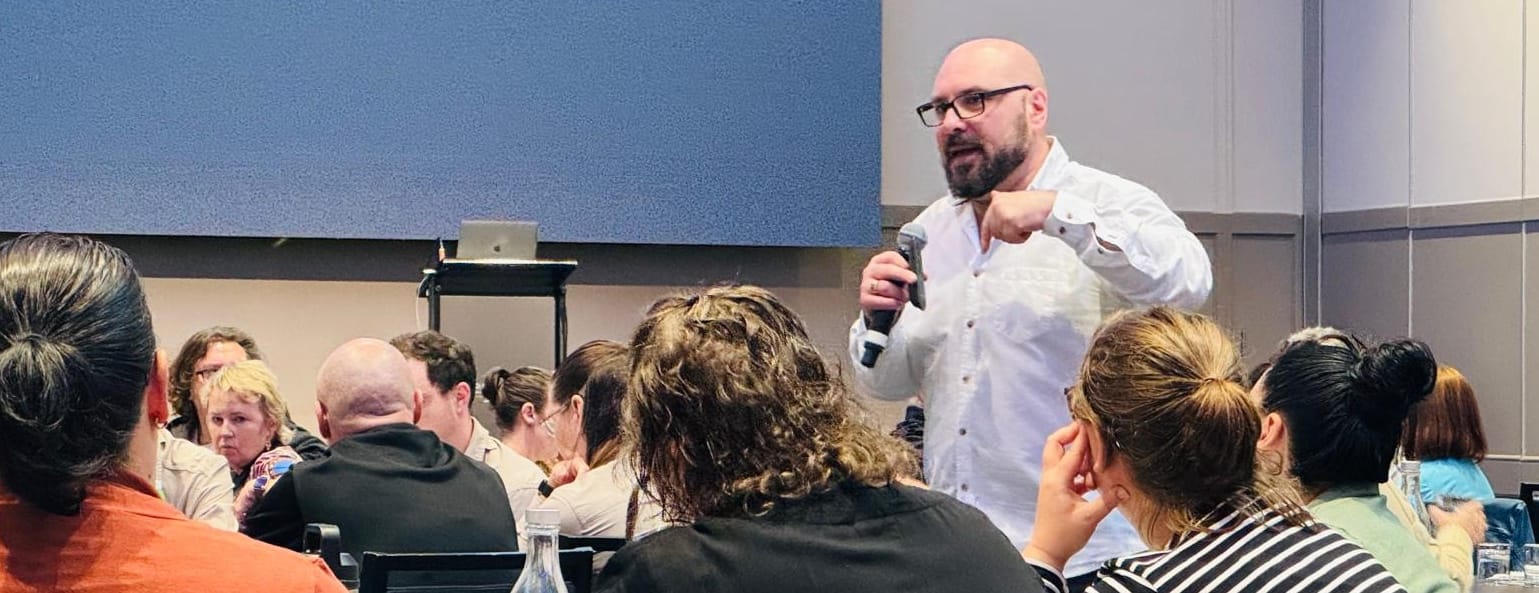
Mathew Farry PhD
Born in Ōtepoti (Dunedin) to Lebanese parents, I grew up between cultures in the deep south of Aotearoa New Zealand. Living between worlds from an early age shaped how I understood culture, identity and belonging, and eventually led me to anthropology. That lived experience continues to shape how I enter my work with race, culture, power and difference.