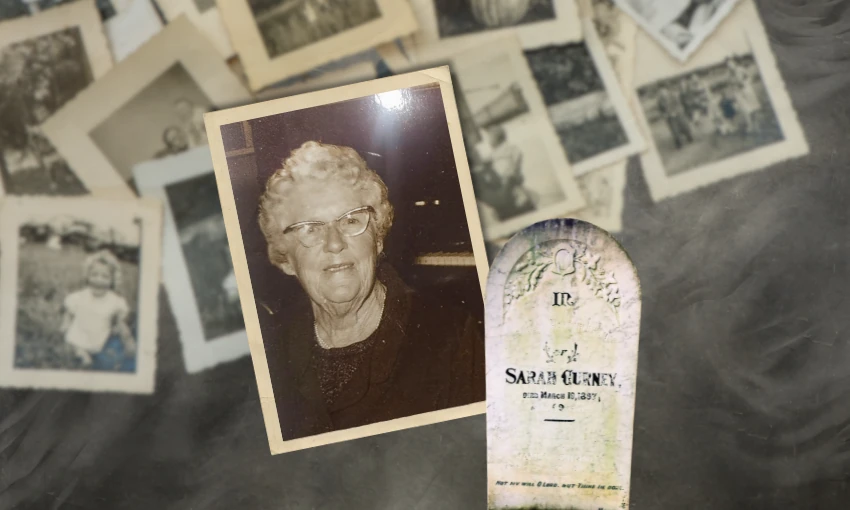
Failing our mothers
I recently wrote an article for the Spin Off exploring the history of maternal mental health and the ways women’s distress following childbirth has been understood, treated and, at times, profoundly misunderstood.
The article was prompted by recent reports from Te Whatu Ora and the Tindall Foundation highlighting the considerable social and economic consequences of failing to support mothers when they need it. These consequences are felt not only by women themselves, but also by their babies, whānau and wider communities.
By looking back at the historical attitudes surrounding motherhood and mental illness, the article considers how the past continues to shape our understanding of maternal mental health today. It also makes the case for a more informed and preventative approach—one that recognises the signs of distress earlier and ensures women receive appropriate support during pregnancy and after giving birth.
I wanted to share it with HORIZON because of its focus on women’s mental health and wellbeing, and its commitment to bringing greater attention to the issues affecting women’s lives.
I also want to say "Thank you for the work you do advocating for mental health. I’d be very pleased if the article could contribute in some small way to that conversation."
You can read the full article, originally published by The Spin Off below.
 Rebecca Jayde