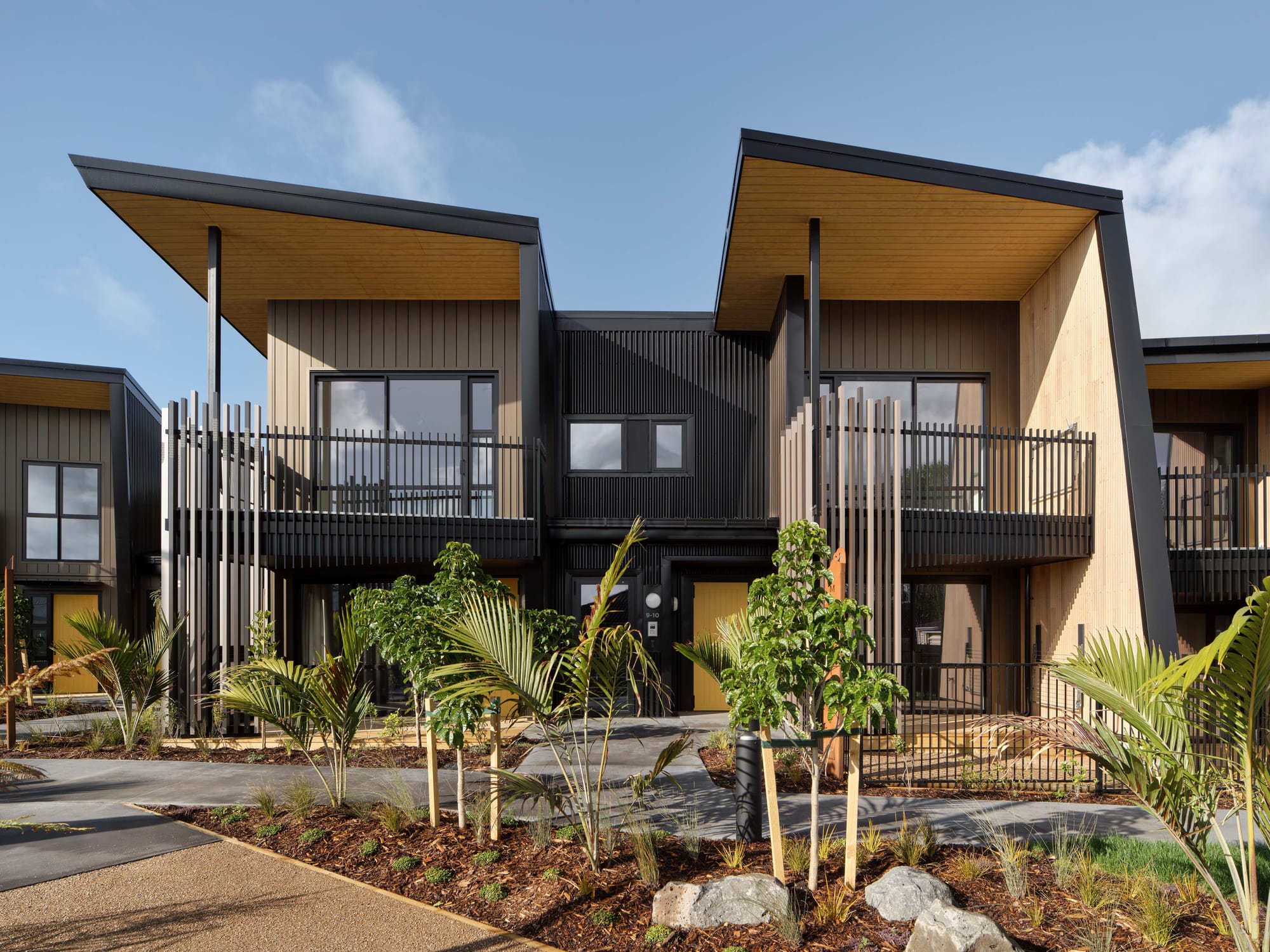
Building better lives wins award
The role of well designed community housing
When people ask me why I chose to specialise in community housing, the answer goes back well before I joined Ashton Mitchell Architects. Early in my career I spent time volunteering overseas, where I saw first-hand the difference that secure housing can make to people's lives. It became obvious to me that housing is about much more than buildings. It influences health, stability, relationships and opportunity. It also provides the sense of certainty that allows people to focus on rebuilding other parts of their lives.
When I returned to New Zealand, I could see that the need for better housing was growing here too. I wanted to be part of the solution rather than simply observe the problem, and that led me to Ashton Mitchell Architects.
We're an Auckland-based architectural practice that has been around for more than 30 years. Over the past 13 or 14 years I've done heaps of work on community housing. During that time we've completed more than 30 projects with community housing providers, Kāinga Ora and other partners.
One of the biggest lessons we've learnt is that designing community housing is fundamentally different from designing housing for the private market.
Crime Prevention Through Environmental Design
One of the first things we think about is Crime Prevention Through Environmental Design, or CPTED. It's an industry term, but the principle is quite simple. We design spaces that feel safe. We avoid hidden corners and ambiguous spaces where nobody feels responsible. We make sure there is good passive surveillance so people naturally look out over shared areas. Residents can see each other, acknowledge each other and build familiarity without feeling exposed. Safety isn't something that gets added at the end of the design process. It needs to be built into the project from the very beginning.
Community matters.
If we're designing a private apartment development, buyers are often primarily interested in their own apartment. They want privacy, their own balcony and their own space. That's perfectly understandable.
Community housing has different priorities.
We're constantly asking ourselves how the design can encourage people to feel part of a neighbourhood. That doesn't mean forcing interaction. It means creating opportunities for natural connection. Shared landscaped spaces, communal facilities and carefully designed circulation all help people become familiar with the people around them.
Even something as simple as breaking a long apartment corridor into smaller clusters can make a real difference. Instead of fifty front doors opening onto one anonymous hallway, you might have four homes sharing a small stairwell. Suddenly your neighbourhood feels smaller, more personal and much easier to get to know.
Housing in action
That thinking became especially important when Ashton Mitchell began working alongside Ember Korowai Takitini. Our experience in community housing was obviously important, but for me there was also a personal connection. Like many people, I've had close friends and family members who have experienced addiction and mental distress. Because of that, Ember's kaupapa resonated with me immediately. I understood that this project wasn't simply about providing buildings. It was about creating homes that could support recovery, stability and hope.That shared understanding helped establish trust very early in the process.
Commitment to genuine co-design
One thing I particularly valued about the project was the commitment to genuine co-design.Rather than assuming we already knew what people needed, we spent time listening. During COVID we held workshops with members of Drive, bringing together people with lived experience to talk about what mattered most in a future housing development. We also worked with local iwi through Ngā Hau e Whā Marae.
The feedback was remarkably consistent.
- People wanted security of tenure above everything else. That didn't surprise me. Knowing you have somewhere safe to come home to removes an enormous amount of uncertainty. It creates the conditions where people can begin thinking about tomorrow instead of simply getting through today.
- They wanted to live within an established community rather than being isolated on the outskirts of the city. They also wanted homes they could feel proud of.
- People didn't want housing that immediately identified them as living in a social housing development. They wanted housing that looked every bit as good as any private development.
Blind tenure
To achieve that, we deliberately selected high-quality materials, invested in thoughtful landscaping and used natural finishes that reinforce a connection with nature. We wanted the development to contribute positively to the surrounding neighbourhood rather than stand apart from it.
The broader evidence supports what we've experienced over many years working in this sector.
New Zealand faces a significant shortage of affordable housing, with many households spending more than half their income simply keeping a roof over their heads. Secure, warm and healthy housing changes that equation.
Stable housing improves wellbeing
The Housing First approach recognises that when people have stable housing with secure tenure, improvements follow across many areas of life.
- Health outcomes improve.
- Family stability improves.
- Children's opportunities improve.
- The constant stress of wondering where you'll live next begins to fall away, allowing people to focus on recovery, relationships, education, employment and the routines that support good mental wellbeing.
Rongo Te Ata - award winning design
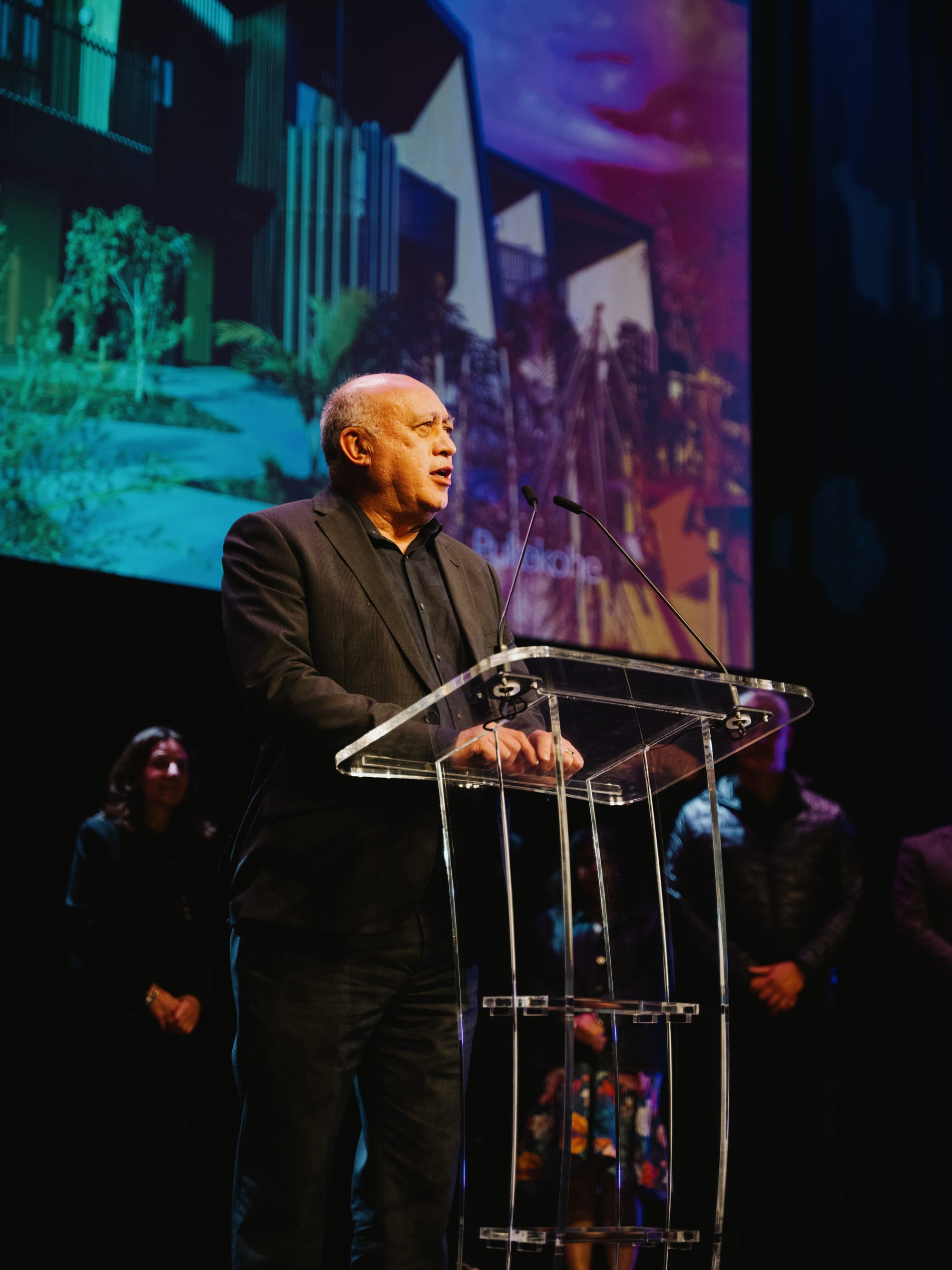
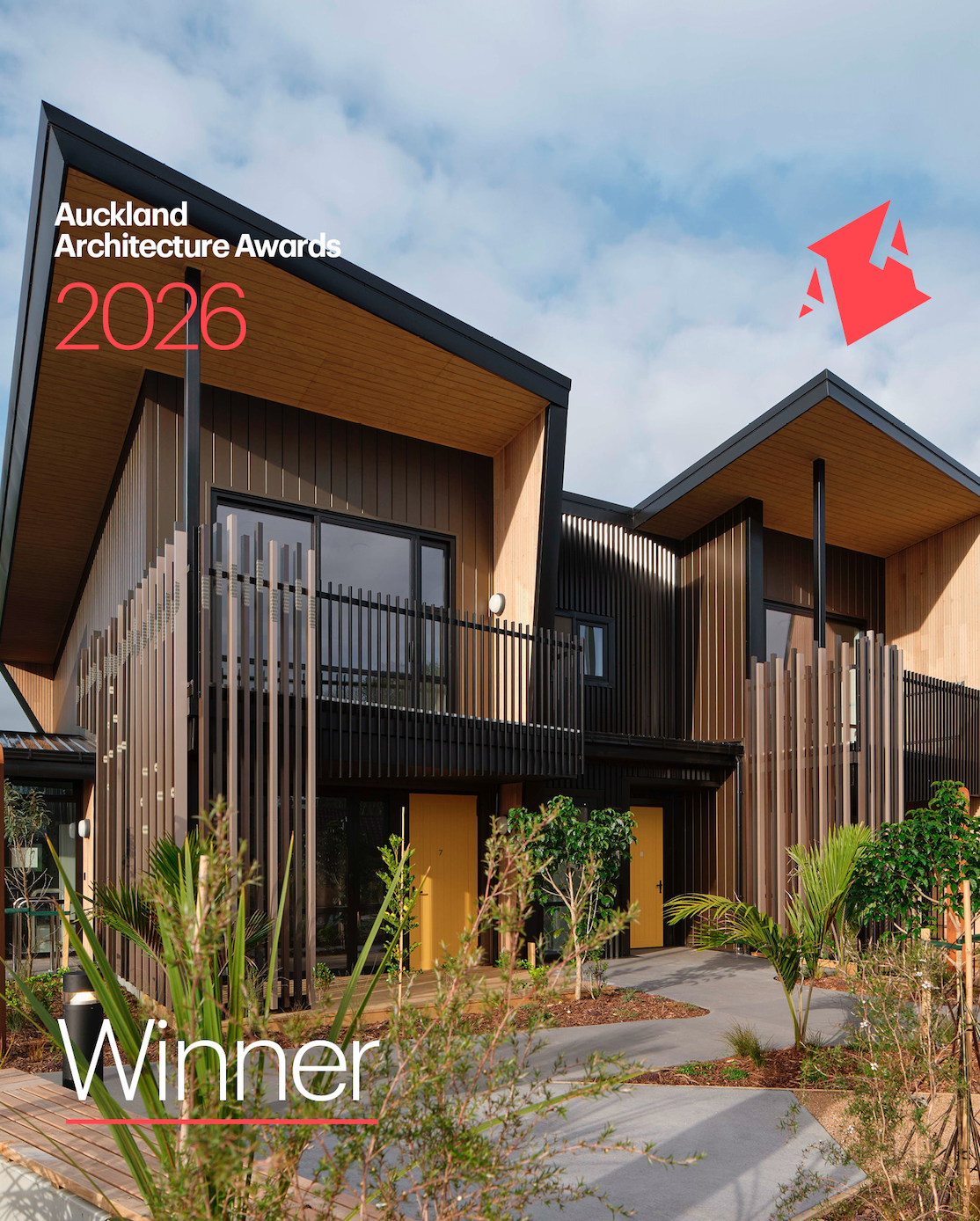
Winning an award for the Ember development is obviously something we're proud of, but for me the recognition isn't really about the building itself. It's recognition that a different way of working produces better outcomes.
Community housing shouldn't rely on cookie-cutter solutions. Every community is different, every group of residents has different needs and every project deserves the opportunity to reflect those differences. The co-design process doesn't remove the need for an efficient design, and there is still place for some kind of standardisation, but we see an opportunity for genuine engagement with the future residents to drive meaningful differences in the final design
For me, that's the real success.