A long way from silence
More than a Strategy: the next chapter for lived experience
Six years ago, Te Pou and the Consumer, Peer Support and Lived Experience (CPSLE) sector launched the first CPSLE workforce development strategy to further strengthen the CPSLE workforce across Aotearoa. The 2020 to 2025 strategy gave the workforce greater structure, direction, and visibility. It helped strengthen partnerships, build capability, and move the sector towards a more coordinated approach. At the conclusion, an evaluation found that almost 80 percent of planned activities had been completed, with the remaining on track to be finalised within the sector.
On 30 September, we came together to celebrate our progress, and to launch the CPSLE Workforce Strategy and Action Plan for 2026 to 2031. It was an opportunity to recognise the people, relationships, leadership and collective mahi that have helped strengthen the workforce across Aotearoa’s mental health and addiction sector, and to look ahead to what comes next.
Alongside the launch, we shared Lived Experience: A story of resilience and hope, a publication celebrating these achievements while recognising the much longer journey that made them possible. The growth of lived experience workforce and leadership did not begin with a strategy. It has been shaped over decades by people who challenged stigma, advocated for change, and created opportunities for others to follow.
But strategies and workforce plans tell only part of the story. To understand how far we have come, and why there is still important work to do, we also need to hear from the people who have lived this journey.
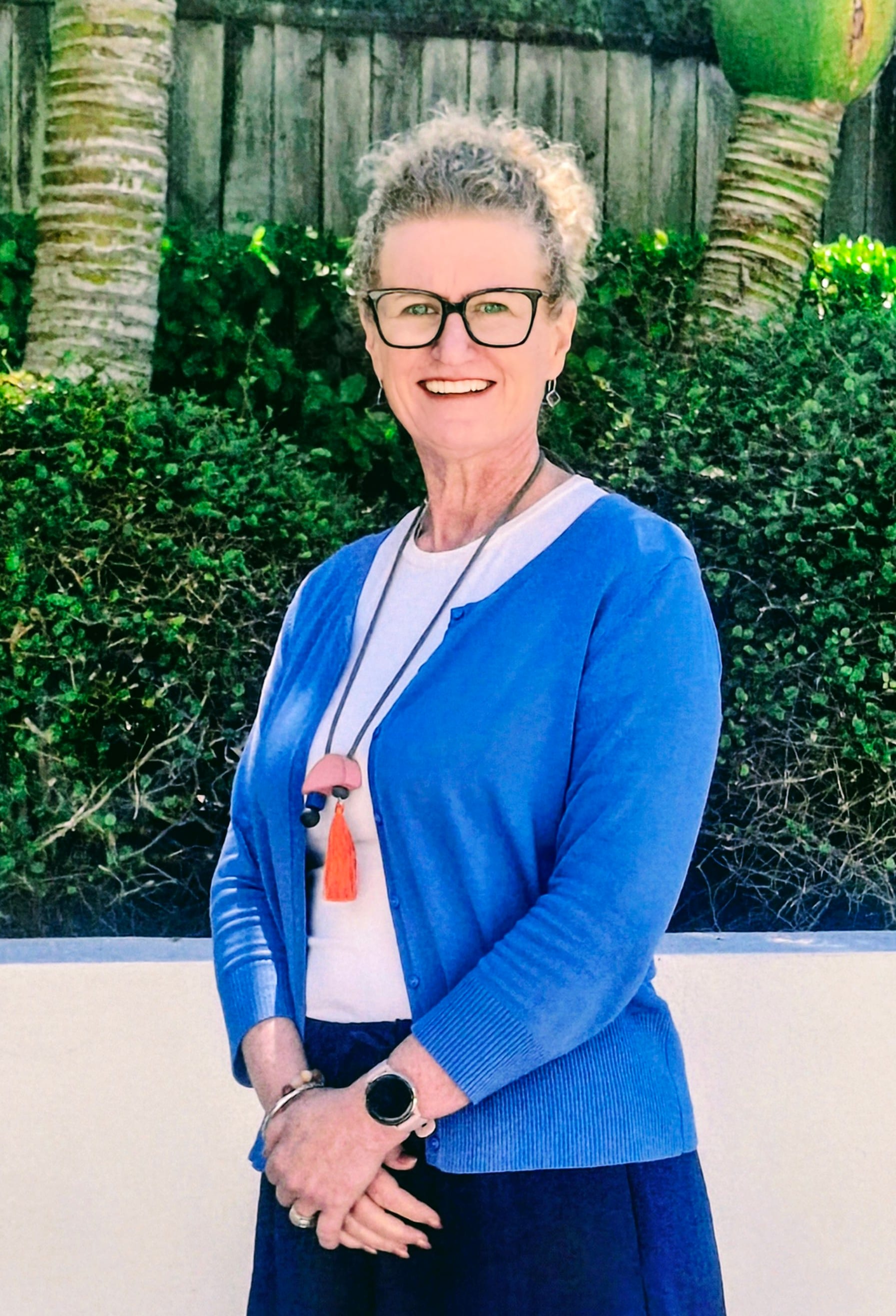
Caro Swanson has been part of the CPSLE workforce for almost three decades. Her reflections offer a personal perspective on the stigma, advocacy, determination and collective effort behind its development, and the challenge of ensuring lived experience is not only heard, but valued and influential.
From silence to essential expertise
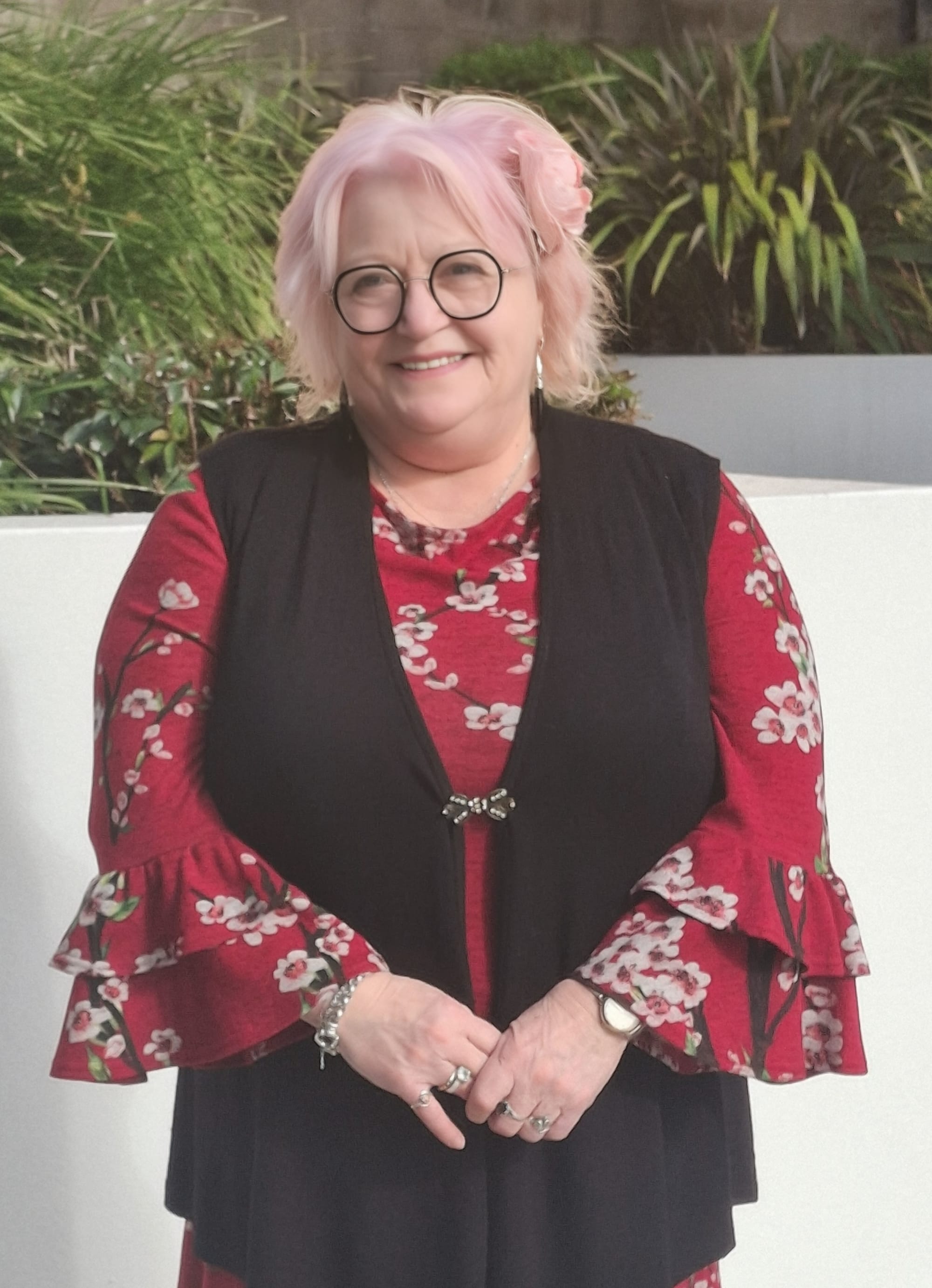
Caro Swanson, Principal Advisor Mental Health and Lived Experience, Te Pou
When I think about how far lived experience has come in Aotearoa, I don’t first think about a strategy. I think about silence. My mum experienced major depression at various times throughout my childhood. While having a mum with depression was frightening and difficult, it is the shame and silence that I remember most. It felt like a desperate, dirty secret we carried without understanding why.
Later came my own experiences of mental health challenges, beginning in my teens and continuing throughout my life. I was determined they would never define me through shame. Instead, they eventually led me into consumer, peer support, and lived experience work.
When I began my first paid role as a consumer advisor in mental health, the workforce was small and the territory largely uncharted. There were hidden costs to being open about lived experience. Stigma and discrimination could shape our careers and aspirations, and we often had to prove our value repeatedly.
But there were also extraordinary people challenging the status quo, advocating for change, and creating space for others to follow. Coming from the women’s movement, I felt I had found my tribe. These people became my mentors and teachers.
I smile now when I see how openly people talk about mental health. What a change. That progress did not happen overnight, and it did not happen because of one person or one strategy. It grew through years of advocacy, relationships, courage and collective mahi.
As the workforce developed, we recognised the importance of defining our own practice, what it looks like, what underpins it and what makes it distinctive. Developing the CPSLE competencies was an important milestone, bringing people together to articulate shared values, practice, and boundaries. They were not perfect, but they were ours: developed collectively, by us and for us.
That same principle shaped the first national CPSLE Workforce Development Strategy 2020 to 2025. It gave the workforce shared direction, supported stronger partnerships, and helped increase recognition of CPSLE roles.
There is plenty to celebrate, but the work is not finished. We still need greater understanding of CPSLE roles, clearer accountability and sustainable support for a workforce that brings distinctive knowledge and expertise to mental health and addiction services.
For me, the words essential expertise are important.
Being invited into a room is not the same as having influence in that room. Sharing your story is not the same as having your knowledge recognised. And having a lived experience role is not the same as having the workforce help shape the systems in which it works.
The new strategy provides an opportunity to build on what has been achieved - developing knowledge, skills, and supportive workplaces; growing the size, diversity, and range of CPSLE roles; and strengthening leadership and partnerships across the sector.
I think about the people who came before me, those working alongside me now, and those entering the workforce with fresh ideas and experience. The progress belongs to all of them, and to the wider movement that continues to challenge stigma and create new possibilities.
We have come a long way from silence.
The next challenge is to ensure lived and living experience is not simply heard, but valued, resourced, and influential in shaping the future of mental health and addiction services in Aotearoa.
Links to the documents:Mātau ā-wheako consumer, peer support, lived experience: Workforce strategy and action plan 2026 to 2031Mātau ā-wheako consumer, peer support, lived experience:… | Te Pou
Lived Experience: A story of resilience and hopeLived Experience: A story of resilience and hope | Te Pou