This is how it feels
I want people to know they are not broken
Not my natural habitat
People often assume that because I have a PhD I must have set out to write a book. The truth is almost the opposite. My doctorate is in native birds. I am a maths and science teacher. Writing has never been something that came naturally to me. In fact, if someone asked me to write a story, I would probably break into a sweat. My brain likes certainty and clear answers. Writing does not always offer either.
River of lived experience
People often describe their mental health journey as walking a path, but that has never felt right to me. For me, it has been more like being swept down a river. Sometimes the water is calm. Sometimes you are thrown around by rapids. Sometimes you disappear beneath the surface and wonder how you will come back up again.
Along that journey I met other people who were travelling through their own mental distress. We all looked different. Different ages. Different backgrounds. Different stories. Yet underneath it all, there was something remarkably familiar. We recognised each other. We spoke the same language without needing to explain ourselves.
Connections remain
Today I teach at Southern Health School, supporting young people across the South Island who are too unwell to attend their regular school. Many of these young people are with the Health School for their mental health and understanding the journey of others can really help them, and their whānau, to navigate their own journey to wellness.
Those beliefs can become far more damaging than the distress itself. I wanted to create something that challenged that.
My hope was simple.
- I wanted people to open a book and discover they were not the only one who felt the way they did.
- I wanted them to recognise themselves in someone else's words.
- I wanted them to understand that their responses made sense, even if they were painful.
Writing takes time
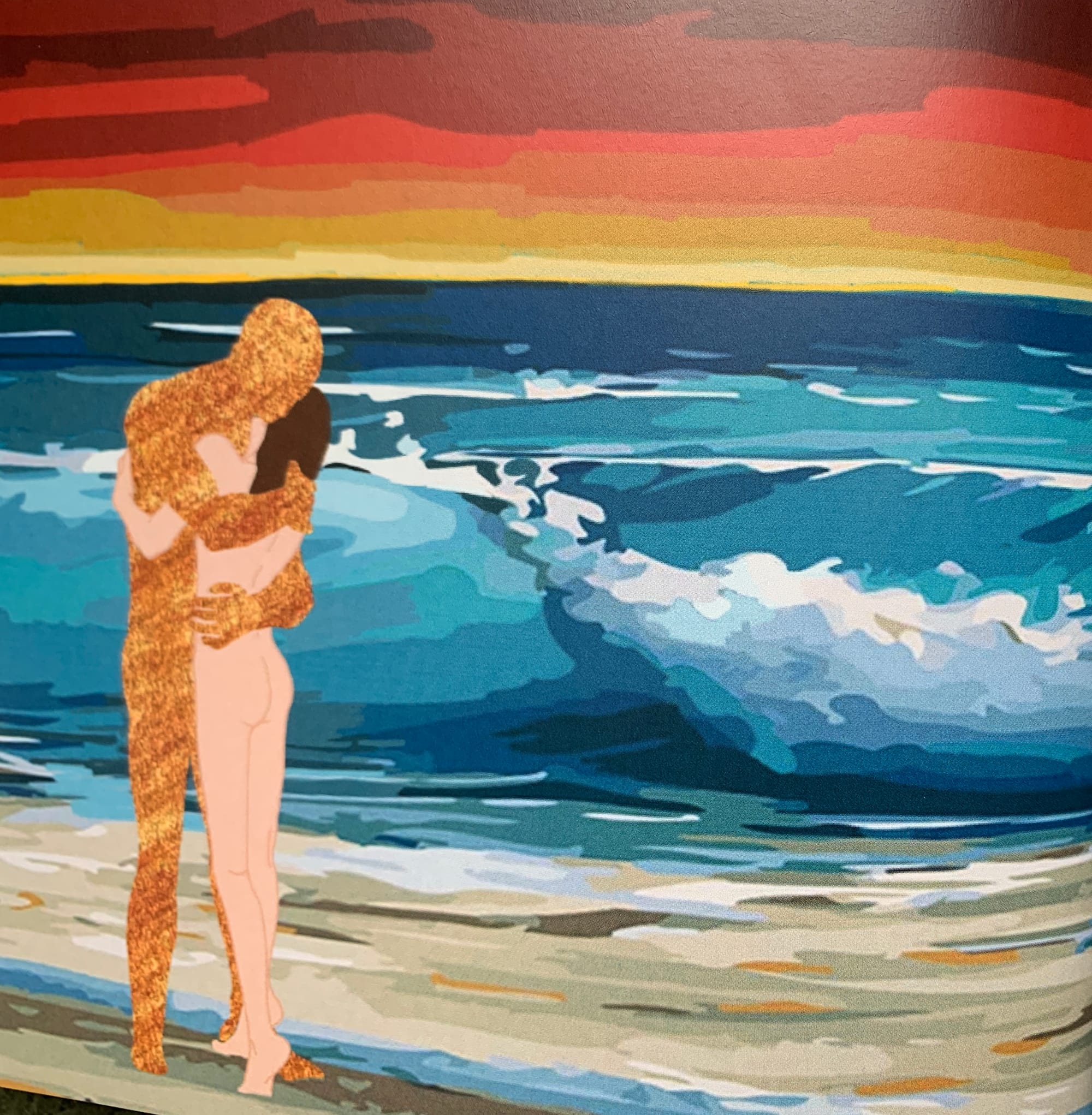
It began with some of my own writing and artwork, along with contributions from people close to me. Before going any further, I took the idea to psychologists, psychiatrists and therapists because I wanted honest feedback. I was fully prepared for someone to tell me it was not a good idea. Instead, every one of them encouraged me to continue. That was the point where I realised I had a responsibility to finish it. Finding contributors became easier than I expected. People told other people. Contributors began contacting me. Artists, writers and other people with lived experience all wanted to be involved.
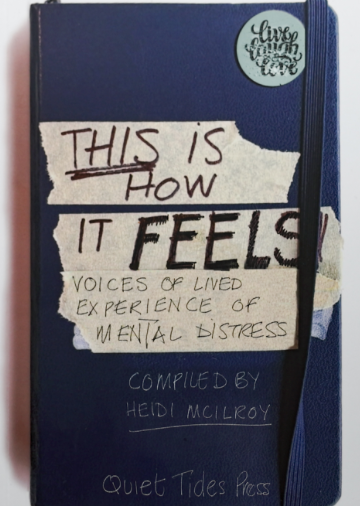
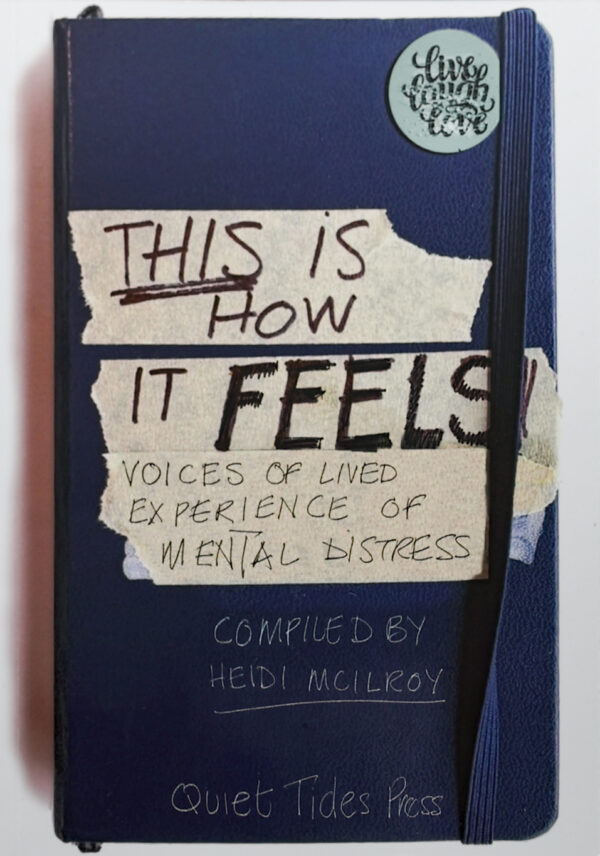
Spanning diverse ages, cultures, genders, and backgrounds, this 230 page paperback brings together both established and first-time writers and artists. The result is an authentic, unfiltered exploration of struggle, resilience, and the many ways people navigate difficult emotional landscapes.
This is not a clinical guide or a book of diagnoses. Instead, it offers something often missing in mental health conversations: real voices, real feelings, and real insight. Readers experiencing distress will find recognition, connection, and reassurance that they are not alone. For whānau, educators, and support professionals, the book provides valuable perspective to deepen understanding and compassion.
Beautifully presented and deeply relatable, this is a book to return to again and again. It invites quiet moments of connection, sparks meaningful conversations, and makes a thoughtful, impactful gift for anyone seeking greater understanding of themselves or others.
At its heart, this collection challenges stigma, fosters empathy, and affirms a simple but vital truth: mental and emotional distress is part of being human, and no one has to face it alone.
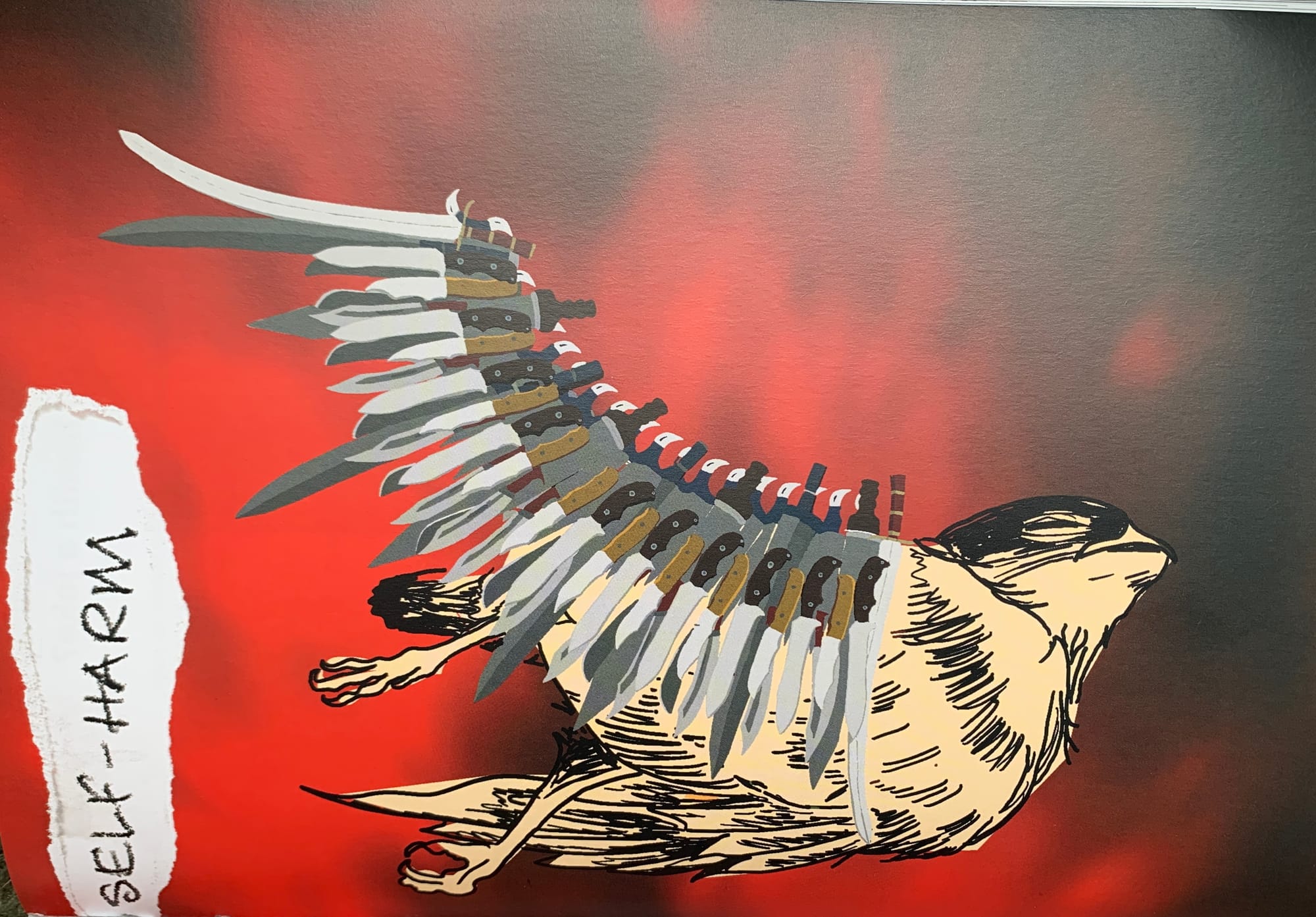
Power of voices
The book is not a clinical guide. It is simply the voice of lived experience. The project was shaped by generosity and has allowed hundreds of copies to be gifted into community organisations throughout New Zealand.
People sometimes ask me what success looks like.
Over the years I have lost people I care about to suicide. If this work helps even one person feel less alone, ask for help, or hold on through one more difficult day, then everything involved in creating it has been worthwhile.
PURCHASE THE BOOK HERE