The first success is not the whole job
One of the most misleading things about disability is that the first visible success can look like the whole task.
A person opens the door, steps out of the vehicle, carries a bag, gets on the trail, boards the boat, handles the dog, or walks into the room. From the outside, the observer may think the problem has been solved. Independence appears visible. The story looks complete.
But many disabled people know that the visible action is only one link in a much longer chain.
In 2018, a brachial plexus injury permanently removed useful function from my right arm. I did not stop being capable, but I became much more aware of how ordinary life quietly assumes two hands. The problem is not always the big dramatic task. Often it is the setup before the task, the recovery after it, or the second thing that has to happen while the first thing is still occupying your only working hand.
A door may be accessible, but what happens when I am also holding a bag? A vehicle may be drivable, but what happens when I need to fuel, load gear, manage a dog, secure equipment, close a gate and keep moving in the rain? A trail may be open, but what happens when the terrain changes, fatigue builds, something slips, or I need to recover from a mistake?
That is where independence can become misleading. I may complete the visible moment while silently transferring the rest of the work to someone else, to extra time, to pain, to risk, or to a decision not to participate again.
This is why I use what I call a complete-task test. The question is not only, “Can the person do the first action?” The better question is, “Can the person complete the whole loop?” Prepare, carry, enter, participate, recover, return, unload and reset. If the answer fails halfway through, the adaptation is incomplete.
That does not mean every barrier can be removed, and it does not mean disabled people should be treated as fragile. I believe responsibility matters. I also believe that capability grows when people are challenged honestly. But challenge is different from needless friction. A good environment does not remove all difficulty. It removes avoidable deception.
The built world, the workplace, outdoor recreation, transport, education and community life all need this deeper test. It is not enough to create a feature that lets a person begin. We need to ask whether the person can finish with dignity, safety and as much agency as their body honestly allows.
That distinction shapes the work I am building through The Sanctuary Foundation in East Tennessee. Sanctuary is an early-stage land-based capability platform focused on human development, adaptive participation, stewardship and practical responsibility. The mission is not to tell a sad disability story. It is to build environments where people can recover agency, accept consequence, serve others and become useful again.
The injury taught me that behavior is the visible output of an ecosystem. When the environment rewards performance, people perform. When the environment rewards honest capability, people build capability. When the environment hides the unfinished work, people quietly disappear from places where they might have contributed.
The next step in accessibility is not only better hardware. It is better attention. Watch the whole task. Watch the transfer points. Watch what happens when weather, fatigue, gear, animals, children, stress or time pressure enter the picture. Watch whether a person can recover from the ordinary failures that happen in real life.
That is where access becomes more than permission to enter. It becomes a real path to participation.
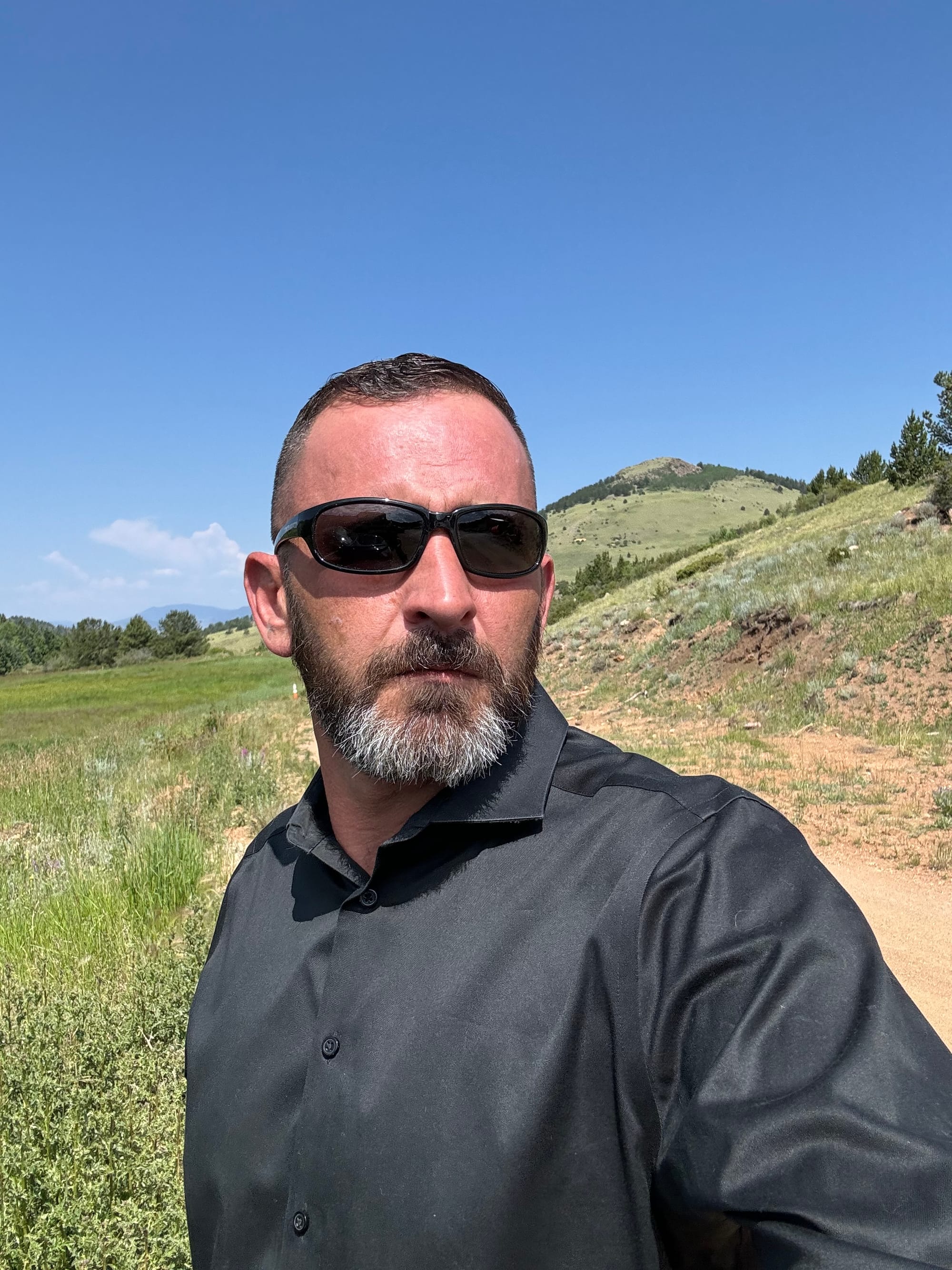
Adam Watson is the founder of The Sanctuary Foundation in East Tennessee, an early-stage land-based capability platform focused on human development, adaptive participation, stewardship and practical responsibility. A former firefighter/medic, working-dog trainer and field practitioner, Adam spent more than two decades in high-consequence environments including emergency services, working dogs, offshore operations, field logistics and adaptive outdoor work.
The Sanctuary Foundation is being built around the belief that behavior is the visible output of an ecosystem. Its mission is to create practical environments where people can recover agency, accept consequence, build real-world capability and serve others without being reduced to a diagnosis, a slogan or a sad story.
Adam lives and works in the Smoky Mountains region of Tennessee and continues to develop adaptive methods across field, dog, land, water and community settings.