Life beyond survival.
Systems mapping: Recovery is more than the ambulance at the bottom of the hill!
When people talk about “recovery,” they often picture formal treatment: therapy appointments, medication reviews, rehab and treatment programs, crisis teams, detox units and maybe a stint in a psychiatric ward or respite. But if you listen to people who have lived through mental distress, addiction, trauma, or life upheaval, a very different picture emerges. Recovery is not an event. It’s not a discharge date. It’s not a diagnosis code.
Recovery is relationship, belonging, meaning, identity, and the freedom to imagine a life beyond survival.
Yet these are the very parts of the system we fund the least.
We don’t recover in offices. We recover in communities, in relationships, in things that make us feel human again.
Why Crisis Services Cannot Be the Centre of Recovery
Crisis services are lifesaving, but they are not life‑giving. They are the ambulance at the bottom of the hill, they are necessary but never where the journey ends.
But much of the formal system still only switches on when things fall apart.
“Don’t just save me when I’m drowning. Help me learn to swim.”
Creative and Cultural Therapies:
Recovery Through Expression
If we funded creative spaces as real therapy, not “extras”…
People could walk into a community art studio or music space the same way they walk into a clinic but leave with their identity strengthened rather than questioned.
Art, music, writing, kapa haka, theatre, weaving, or carving would be seen as legitimate tools for processing grief, trauma, addiction, and distress. Instead of needing to “talk about it” in a clinical room, people could paint it, sing it, move it, or shape it into something that makes sense to them.
Community arts programmes already show that shared creativity fosters emotional safety, identity rebuilding, and real connection.
This is what it could look like in practice:
- Weekly open studios in every town where anyone can drop in.
- Funded creative mentorships for people rebuilding identity after trauma.
- Cultural arts programmes led by whānau, iwi, or cultural leaders for grounding and reconnection.
- Music therapy and storytelling groups integrated into addiction recovery services.
- Creative spaces would no longer be an afterthought — they would be key recovery environments.
Movement-Based Therapies:
Recovery Through Rhythm and Embodiment
If movement was seen as therapeutic, not recreational…
People could access dance groups, sport clubs, kapa haka, yoga, walking circles, or strength‑based classes, which will be all designed to support emotional regulation, body reconnection, routine, and confidence.
Movement helps people stabilise their nervous systems, regain structure, and reconnect with their bodies, these are essential parts of recovery.
This is what it could look like:
- Community movement facilitators trained in trauma‑informed practice.
- Hiking groups/walking groups that explore nature led by those with lived experience
- Sports teams and leagues for those who experience distress
- Free yoga or tai chi groups at libraries, parks, and marae.
- Wellbeing programmes that integrate physical activity as a core component.
- Group movement circles where people rebuild confidence together.
People wouldn’t just “exercise.” They would recover through movement.
Nature and Animal-Assisted Supports:
Recovery Through Grounding and Regulation
If we treated nature and animals as therapeutic partners…
People could participate in nature‑based healing programmes, forest walks, gardening collectives, and animal‑assisted support groups, and we as a society could recognise and fund as legitimate pathways to emotional regulation and recovery.
Possible programmes include:
- Community gardens with mental health and addiction support woven in.
- Therapy farms where people can care for animals and rediscover trust and presence.
- Nature immersion days for people leaving hospital or detox to regulate and reset.
- Guided outdoor programmes for reconnecting with safety and grounding after trauma.
- Dog/animal cafes for those experiencing distress or looking for connection
- Equine therapy and other animal assisted therapy being integrated into mental health and addiction services
Nature and animals would become core mental health resources, not luxuries.
Housing and Reintegration Supports:
Recovery Through Stability
If housing and reintegration were treated as therapy in themselves…
People leaving psychiatric wards, detox, or prison would never be left to figure out life alone. Supportive housing, wraparound reintegration, and community‑based pathways would be embedded into every transition
This could include:
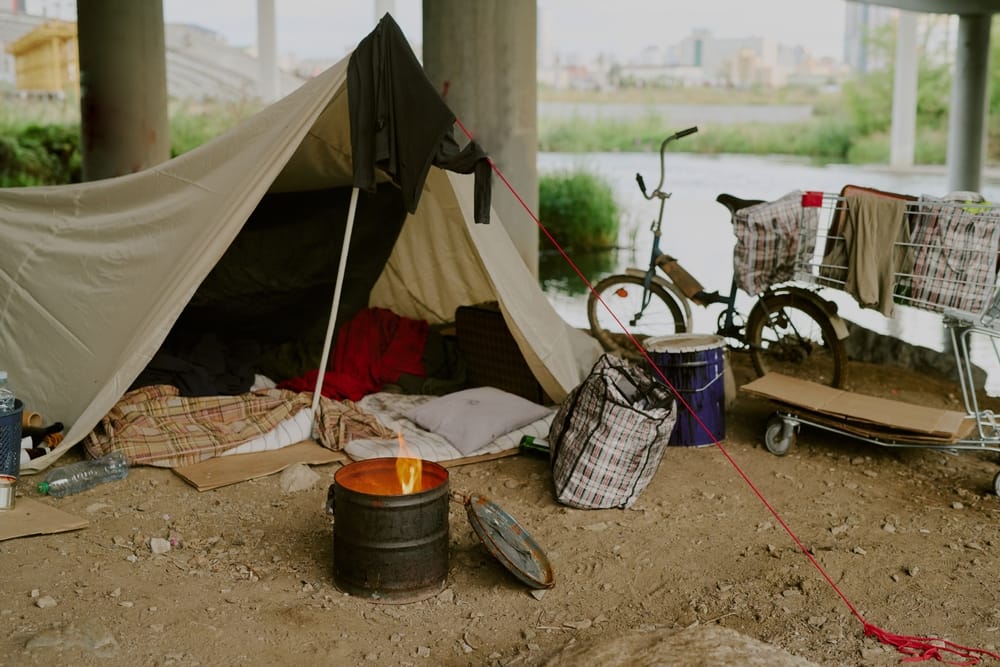
- Housing First options for anyone whose recovery is blocked by homelessness.
- Reintegration hubs that coordinate health, addiction, cultural, and employment support.
- Peer-led support for the first 90 days post-release or discharge.
- Community kitchens, clubs, and groups that welcome people back into belonging.
Recovery requires a place to land. Stability would be the foundation, not the reward. Recovery would be about rebuilding life — not just removing substances.
The Future: A Strengths-Based Recovery System Built on What Truly Works
If we implemented these supports at scale, recovery would look profoundly different:
People would heal through what makes them feel alive.
Art, movement, culture, nature, animals, connection, identity, purpose.
People would recover in community rather than in isolation.
Peer networks, creative collectives, sports communities, marae, gardens, libraries — places where belonging grows.
People would rebuild identity, not just manage symptoms.
Recovery would be rooted in meaning, culture, choice, and self‑determination.
People would transition safely, not fall through gaps.
Warm handovers and housing stability would replace chaos and uncertainty.
People would experience hope as a daily practice.
Not as a clinical outcome, but as a way of reconnecting with themselves and their futures.
Systems mapping helps us see the obvious:
People heal when they are connected, grounded, valued, expressive, and supported — not just treated.
If we truly want a recovery‑oriented system, we must invest in these everyday, deeply human pathways.
This is what recovery can look like — and what it should look like — when we build the fence at the top of the hill, not just the ambulance at the bottom