Discovering Mortality
When someone we love passes away, it typically can invoke the most sickening psychic pain, internal dialogue - and can challenge our mental health.
Death and mental health
Existential psychology proposes that an innate urge to resolve five, deep-rooted tasks will shape people’s experience of poor mental health. These are:
- Death
- Isolation
- Identity
- Freedom
- Meaning.
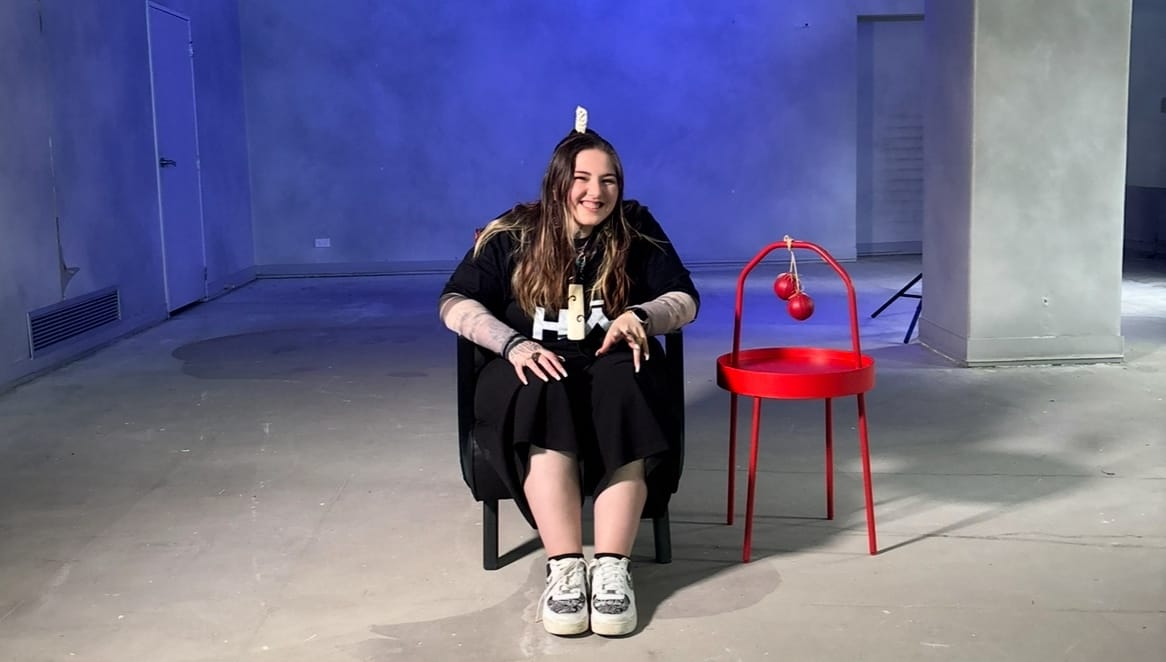
In response, existential psychology prioritises people's lived experience of their subjective reality as a foundation to offering assistance and support. I was in my early 20s when I attended my very first funeral. It was a tangi for my girlfriend’s (now my wife) grandmother. It was also the first time I had ever seen a dead person.
Healthy emotional process
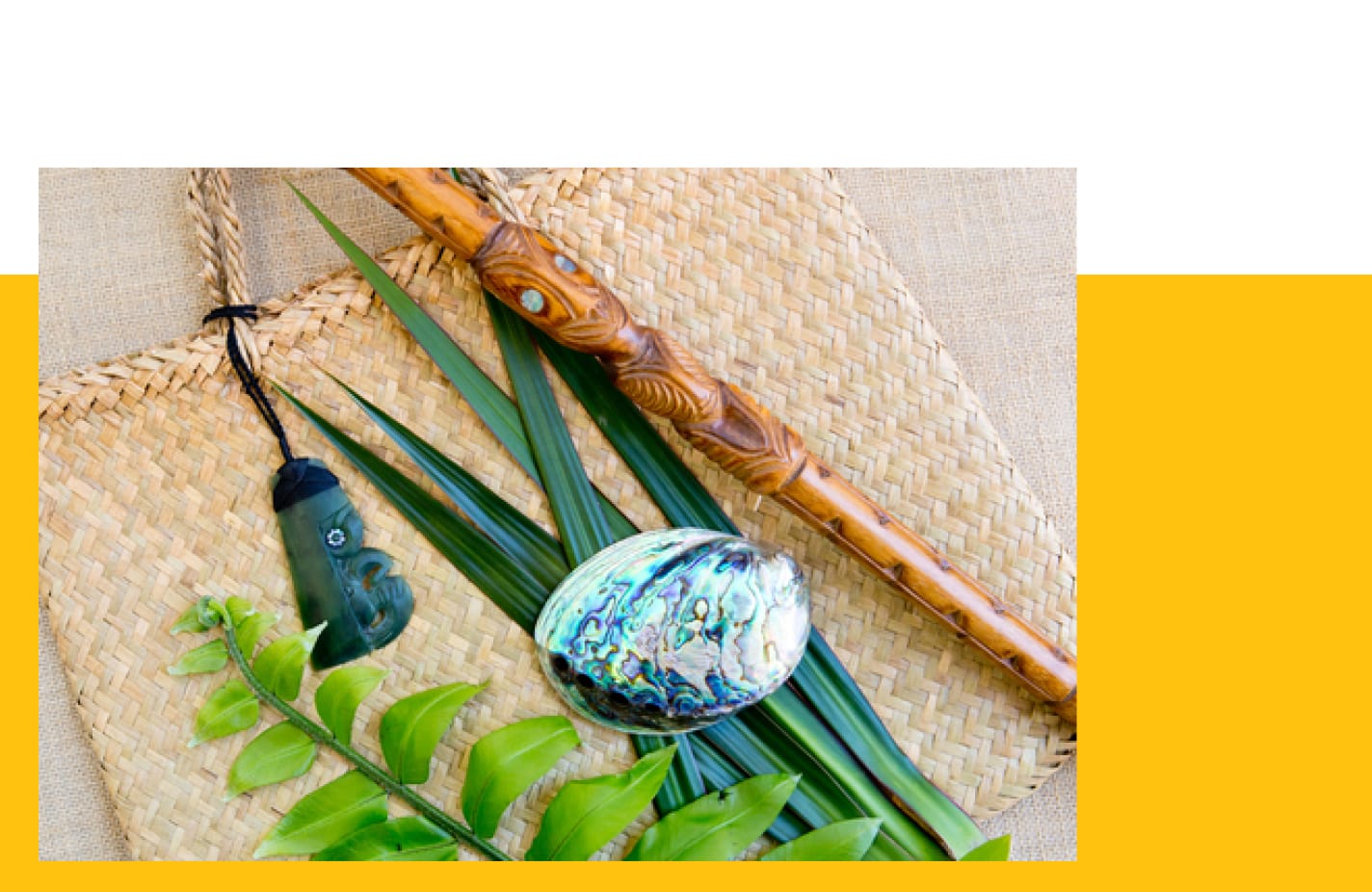
In 1976 I had been in New Zealand for 3 years. The practice of viewing a dead person's body had become far less common in England over the last century - particularly compared to the past. I’ve been to many tangi’s now. Pretty quickly I came to recognise and enjoy a tangi as a far more emotionally healthy process to acknowledge a human being and express the raw emotions (positive and “negative” – do emotions require a value?) such events expose.
When death becomes part of our lives
Now nudging 70 I can’t remember the last time we were invited to a 21st!
By contrast, from 2022-2024 I attended a procession of funerals: my younger brother in 2022, then my stepmother, then my mother-in-law, then a close “cousin-in-law”, then a brother-in-law.
One wedding and two funerals
Earlier this month we attended two funerals and a wedding – within 7 days. Certainly not something that is a norm – though potentially the title for a movie sequel! The unrelated funerals were for a father and a mother. While we were not especially close to the deceased we are close to the two sons whose lives have been disrupted by a loss that heralds a usually profound, difficult and inevitable transition.
Reality bites
We all know that we will one day need to confront the realisation of losing our parents. However, the shift from appreciating a conceptual inevitability to dealing with the painful and disruptive reality is tectonic.
In many ways it is the day we are torn from the last vestiges of a childhood to the “finished product “(well for most!) of being an adult – no matter what our age. To quote Pink Floyd no less “The child is grown, the dream is gone” (from “Comfortably Numb”).
We have lost part or all of “the home” that we could take for granted. Turning up uninvited, checking out and helping yourself to what’s in the fridge and pantry; exercising the inherited sense of familiarity that borders on ownership, not having to make small talk, “blobbing out in front of the TV.
People not places
And this doesn’t necessarily have to the same house you were brought up in. It is about the people who live under that roof, that shape the familiar décor, layout, the smells, order and patterns; the consequence of habits and routines that are still familiar after all these years.
Safe place drifting
The loss is obviously confirmed when the house is sold or rented, when new people live in the house. I still recall spending some nights at my childhood home in Bath that had become a guest house. I had to manage a very real internal tension between behaving appropriately as “a guest”, and the air of restrained arrogance and entitlement of which I was so aware. “You may own this house, but this is my home”.
Two become one and it hurts
And I can only imagine (because thankfully it hasn’t happened to me) that losing a partner brings a similar depth of loss and grief, fear, isolation, values,and compounded by confusion.
When a partner passes away, we lose not only their intimate presence but also the version of ourselves that existed in relation to them – a version of ourselves that many have only ever known. All those years that people think about you, refer to you and speak of you as two names, intimately connected. Now you only hear your own name. No wonder that such loss can lead to a deep sense of confusion about our own identity.
When you lose someone you love, you just don’t know who you are without them.
Human beings are social by nature. Our relationships with family, friends, and partners become integral parts of who we are. The roles we play—child, sibling, spouse, friend—help define our place in the world.
When loss and grief come visiting to their pay their respects when someone you loved has just died, they so often bring along some [uninvited] associates: loneliness, loss and isolation, fear, guilt, regret, shame, confusion… and some extra “hangers on” – just for you!
Loss of bonds
The feeling of not knowing who you are after losing someone you love is quite universal. It speaks to the deep bonds that humans share and the fundamental ways in which our identities are shaped by others. It is natural to feel “lost at sea” after a such an abjectly visceral and significant loss. While such feelings may not dissipate quickly, it has been likened to the process of labour prior to childbirth. A process that is painful, that may vary in time, but one that is essential.
Grief from loss is the final act of love.
Where there is deep grief there was great love. There is no normal way to grieve except for how we each do it. We don’t walk around grieving, looking sad all the time. While we can still smile and laugh, the grief is still there and probably always will be. It’s just sitting with us silently and more gently.
Grief is also a gift.
A journey through grief can lead to growth, resilience, and in fact a new meaning in life. One that doesn’t diminish the previous life but incorporates it as a new foundation onto which a new life can be dreamed and created.