Creativity the super power
Creativity has shaped every turning point of my life. It has grounded me, challenged me, and at times rescued me. I grew up knowing what it feels like not to fit, not to have a clear place to land, but I also learned early that creative spaces can hold you when nothing else does. That belief has carried me from a rural childhood in Northland to a career in art therapy, psychotherapy, EMDR, and restorative justice. And it drives me now, as I work with young people navigating systems that often fail to recognise their full humanity.
A force that changes lives
I want to argue for something too often dismissed as fringe or fluffy. Creativity is a force that changes lives. I have seen it again and again with some of the most at-risk rangatahi in Aotearoa. I have also seen how our mental health system struggles to keep pace with what young people actually need. Creativity is not the whole answer, but it is a powerful connector that we continue to underestimate.
Art oxygen
I grew up a kid who never quite fit the sports-first culture of my schools. Switching to Tikipunga High changed everything. I lost my social bearings but gained an art room that felt like oxygen. That space quietly did what therapy would later teach me to do: hold my story. When I struggled with illness during my time at Elam, creativity became my anchor. It eventually carried me all the way to the UK to train in art psychotherapy.
When paths don't meet
Since 2009, I’ve worked with some of the most at-risk rangatahi, in the UK and here in Aotearoa. When I founded BreathingSpace in 2016, I was already used to seeing the system from multiple sides: as community, as clinician, and as someone supporting my own whānau through harm. That vantage point makes one thing painfully clear. Too many young people meet a system that cannot meet them.
People often assume art therapy is simply painting for wellbeing. But creative work, in my experience, has always been about two things.
- The first is creative thinking, how we approach people, how we collaborate, how we stay flexible enough to see what someone is actually showing us.
- The second is that creativity engages people before they realise they’re engaging with therapy at all. Suspicion gives way to curiosity.
Heart story
This comes into focus when I think about Grey. He was flagged nationally for trauma and high risk, the youngest ever sent to a youth justice facility. By fourteen, he had worked through more therapists than most adults meet in a lifetime. “They’re paid, so how can they actually care,” he often said. And sitting in a room with him confirmed it. He wore armour thick enough to block out the world.
So we walked. Before hearings, before Family Group Conferences, we walked. Somewhere along those streets, the walking became the art. He talked and I wrote. Sometimes we took photos. Outside our sessions, his life was still chaos’s police chases, hiding from helicopters, disappearing for days. I followed him into courtrooms, into lawyer meetings, into restorative justice circles because showing up was part of the work.
The strongest form of connection
That experience hardened my belief that creativity is one of the strongest forms of connection we have. Many young people feel alienated, even harmed, by the systems designed to support them. Community organisations work miracles with almost nothing, often carrying risk alone.
Before COVID, I was contorting myself to meet an impossible caseload. Then lockdown forced a new question. How do I support rangatahi when I can’t be physically present? I sent boxes of art materials but realised quickly that materials without structure or meaning are just clutter.
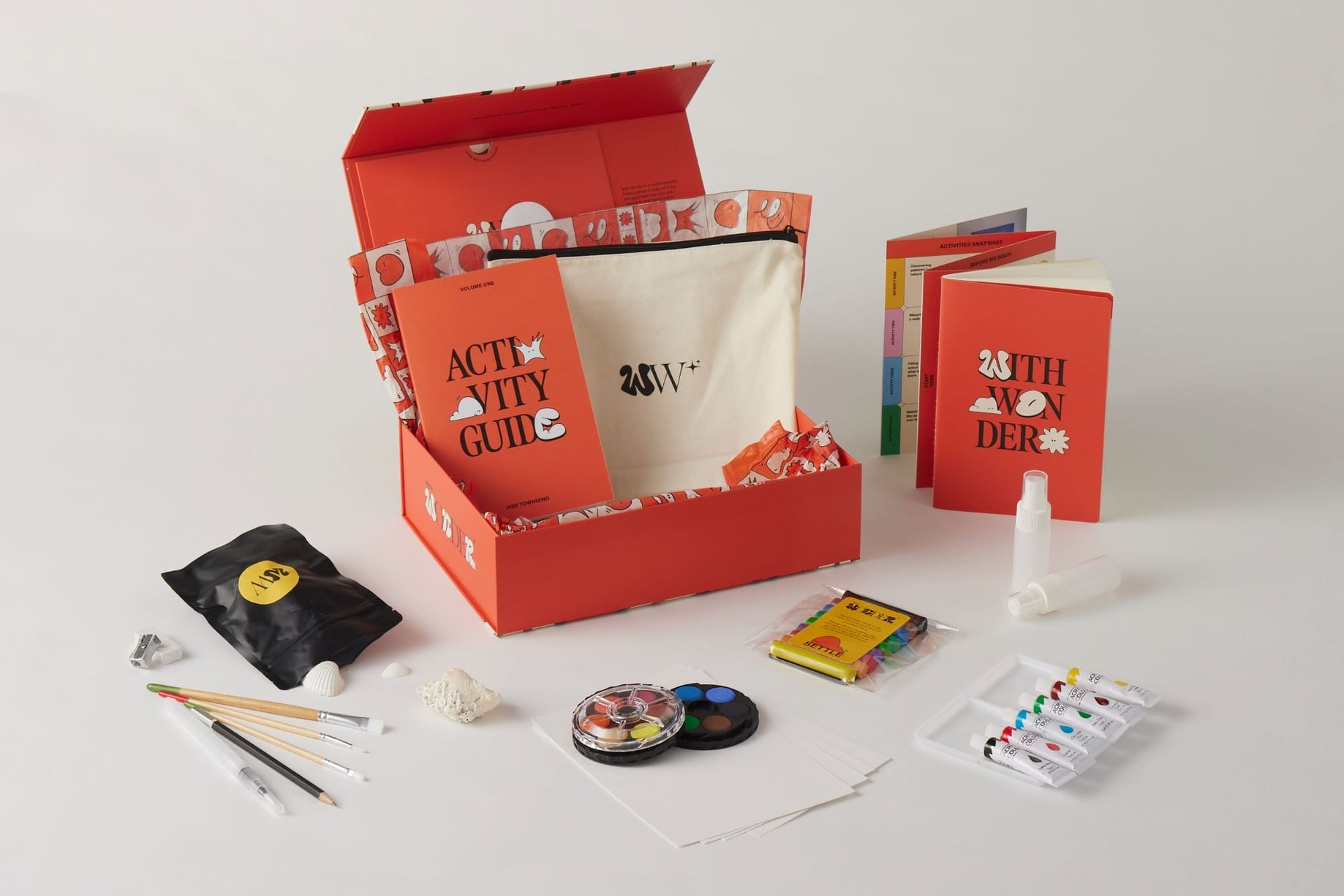
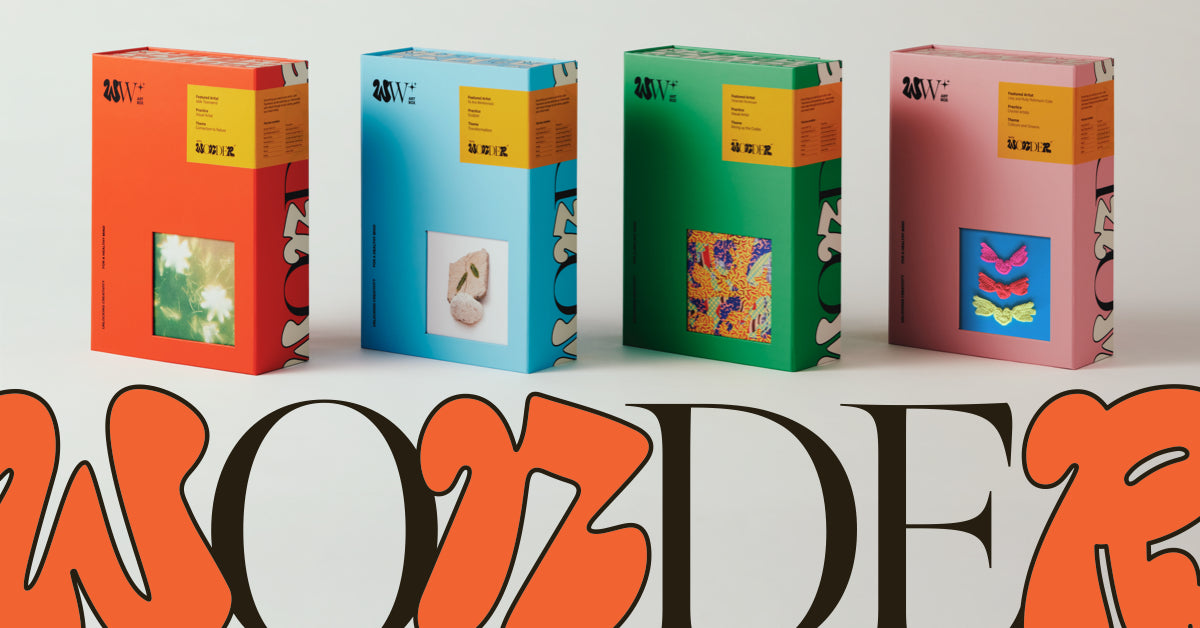
So we built With Wonder. Co-curated art boxes developed with New Zealand artists and grounded in a therapeutic framework. A tool that can support young people stuck on waitlists, help whānau care for themselves while caring for their kids, and give community workers something intentional to hold the space between formal therapy and home.
Creativity can bridge the gaps the system keeps widening.
I believe creativity is a superpower.
- It lowers stress
- boosts serotonin
- and strengthens connection.
Every youth worker I know already carries felts and paper. What they often lack is the confidence to use them with intention. Trauma surfaces in studios, classrooms, and workshops whether practitioners are prepared or not. Many are skilled and empathetic but were never trained for what to do when trauma appears through art. Trauma is not always dramatic. Often it’s the quiet, lingering experiences that shape a young person’s worldview.
Young people tell us this matters. They show us in words and actions, this helps.
My challenge to you
So here’s the challenge I carry and the one I leave with you. Lean into your creativity. Not because it’s fun or wholesome, but because it is genuinely good for you. We talk endlessly about physical exercise and mental health, but creativity offers similar benefits without needing to break a sweat.
Help me unlock creativity for a healthy mind. And maybe one day, our neighbourhoods will hold as many studios and galleries as they do gyms.
Check out our websites below