Connection matters most
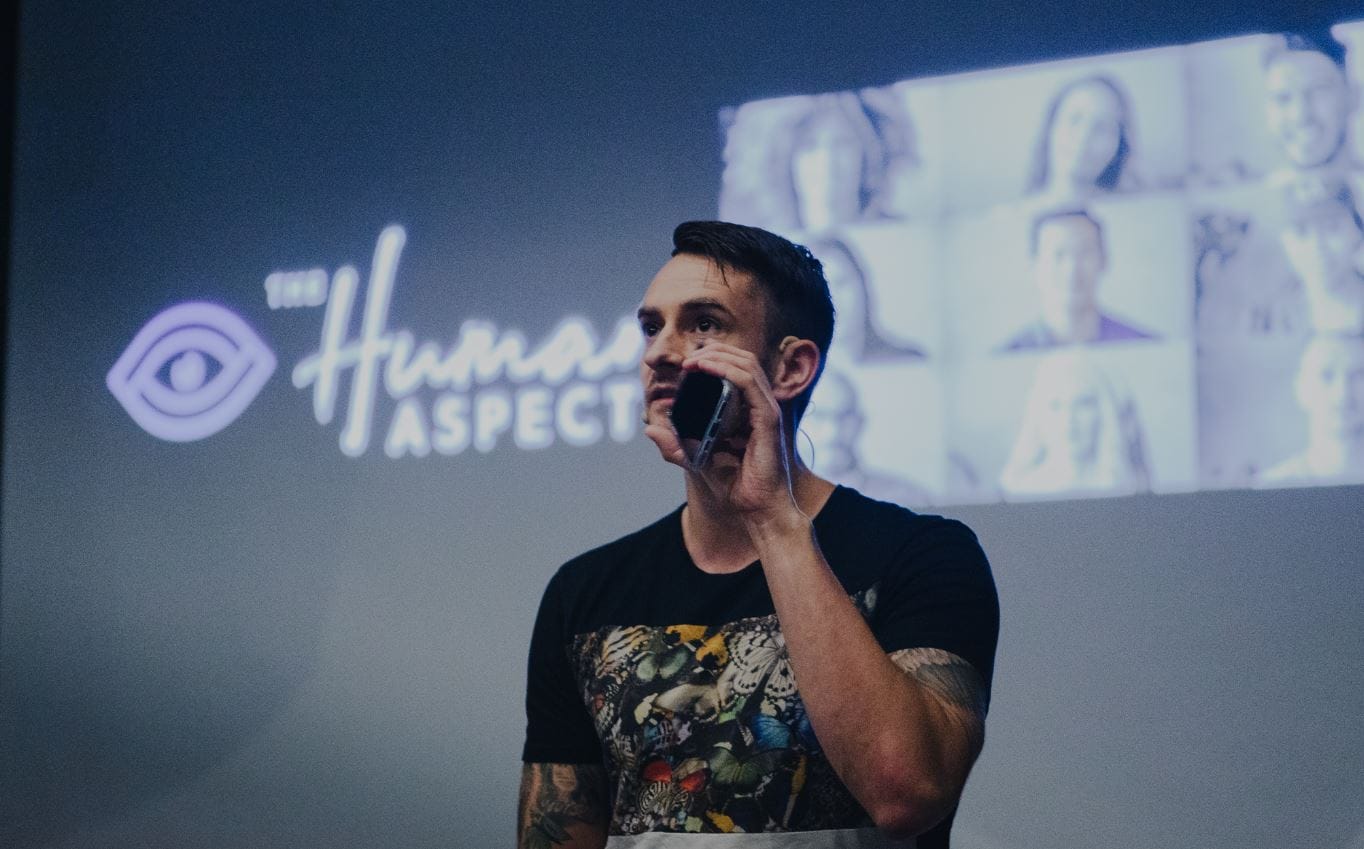
I keep coming back to the same thing whenever I walk into a gathering like the TheMHS Auckland one day conference . Conferences matters for a variety of reasons, and the first is something quite simple- face to face connection.
Since covid, the loss of that everyday interaction has been more significant than I expected. In our sector, the human relationships we have as kaimahi are a core part of how we work. Being in the room with people again matters to me.
The second reason is the specific focus that a conference delivers on important topics. This one was all about crisis response . I want to understand more. I want to think about solutions. Leading a large NGO means I am always searching for new ways to enhance what we do.
The power is with us
Those calls to action are sitting front of mind for me. Regardless of where we see the government direction going, I keep hearing a message that the power sits with us to do things differently, to do the right thing, and to listen to the voices of the people we support and their whanau.
Pleased about Peer
It was very pleasing to hear the growth in Peer Services celebrated with such enthusiasm.. From where I sit, I look at peer services through the lens of being Chief Executive at Pathways, and as a part of the team that stood up the first peer led acute alternative in around 2008. Peer leadership has been part of our kaupapa and value system for a very long time. I feel genuinely delighted to see an increase in peer and lived experience roles.
Concerned to get it right
I do also worry. It can be tempting for governments to see peer roles as a financially efficient way to look like they are investing. Many of the contracts are not long term. Sustainability becomes the question.
When we talk about crisis response, I keep thinking about the other end of the spectrum too. We need to prevent admissions. We need to respond much faster. My concern is that the more expensive end of the system does not get the investment it needs.
I feel encouraged when I hear that two more acute alternatives are planned, but I also remember hosting a budget announcement at one of our acute alternatives in Christchurch in 2023. There was a lot of energy at the time, but we have seen very little investment flow through since then. For me, all of this needs a system wide, bipartisan approach. Right now it feels slightly scattergun and with ‘pop’ announcements.
Reflections on what we could better
- The first is that I would want mental health and addictions to sit outside the influence of individual governments and ministers. I want a ten to fifteen year plan. I want us to stick to it.
- The second is that the plan cannot be a wish list. It has to be something we can action. We already know what we need. I want a plan with investment attached and a timeframe attached so people know what is coming and have the space to build capability.
- The third is one I feel strongly about. We need to free up some of the contracting barriers and let us get on with the work. Tell us what outcomes you want in communities and trust providers to deliver, particularly providers with proven capability. As NGOs we all live under the burden of audit. Ember knows this. Pathways knows this. We can demonstrate our worth. People know who the capable providers are. We could deliver the work many times over if we were invested in properly, without all the barriers that slow us down.
Investment must be meaningful
I keep circling around the idea of meaningful investment. One of the biggest barriers I still see is the divide between hospital and specialist services on one side, and what gets called the NGO sector or community sector on the other. Even the label NGO sector feels a bit pejorative. It does not reflect the credibility and gravitas of the capability inside organisations like Ember and Pathways.
Feeling upbeat
When I reflect on the importance of what was said at TheMHS, I come back to the sense that it affirmed for me that we already do some really great stuff. The system is not broken. It is challenging at the moment and there are many things that we need to do better, but we should also recognise how far we have come.
I think we spend too much time being beaten up or beating ourselves up. It matters to celebrate some of the positives, to look for the opportunities, and to believe that we can do it. We can do it. Competition is healthy and so is collaboration. Partnerships matter and they are there if we look for them. I feel ready to just get on with it.