Caught between cultures
The quiet tension of 1.5 and second-generation Asians
Inbetweeners
Many people may not be familiar with the term “1.5 generation.” It refers to immigrants who move to a new country as children or teenagers — typically between the ages of six and eighteen. They stand between first-generation immigrants (those born overseas who migrated as adults) and second-generation immigrants (those born in the new country to immigrant parents).
For someone like me, who migrated to New Zealand at 28, I am considered a first-generation migrant.
Caught between two cultures
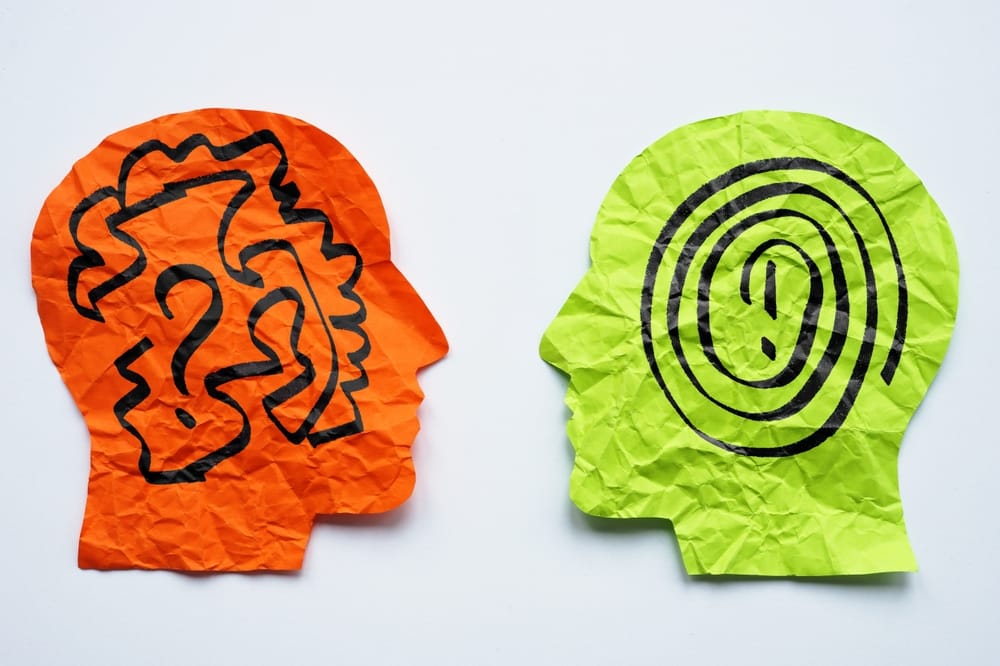
Yet the label itself is less important than the lived experience. What truly matters is the reality of being caught between two cultures that can hold very different — and sometimes conflicting — worldviews and values. This tension shapes the lives of many Asians within migrant communities.
Stepping out, stepping in
However, when children leave home and enter school, they step into a Western-dominant culture that values autonomy, self-determination, and individual rights. They are encouraged to question the status quo, express confidence through inquiry, and develop critical thinking skills.
In this context, young people are taught to see themselves as individuals forming their own interpretations of the world. The concept of self is emphasised as distinct and independent.
Navigating these two paradigms simultaneously can create significant internal conflict, especially when neither side explicitly explains its worldview. Furthermore, some Asian parents may have limited exposure to the dominant culture due to language barriers or the broader challenges of migration. As their children adapt to Western values such as autonomy and independence, parents may interpret these behaviours as disrespectful or defiant.
Consider a simple example. A teacher may tell a child who does not finish their lunch at school that it is perfectly acceptable to “listen” to their body and stop eating when full. However, when that unfinished lunch returns home, the child may be reprimanded and reminded that finishing food shows respect for the person who prepared it. The child may also be told that their loyalty lies with their parents, not the teacher. So who should the child listen to? Often, there is no conversation between teacher and parent to bridge these differing expectations.
Weight of responsibility
Although this example may seem minor, similar situations occur repeatedly in everyday life. Many Asian young people describe growing up with strong expectations to study hard, achieve highly, and excel.
When comparing themselves with their Kiwi peers, some young people may feel unheard or even unloved. While their parents’ intentions often stem from care and sacrifice, the children are growing up in a society whose dominant values may not align with those at home. Without shared context or open dialogue, resentment can develop, and the relentless pursuit of achievement may feel increasingly disconnected from personal meaning.
Where DO I belong?
I once spoke with a young woman who described constantly reassessing her surroundings whenever she walked into a room. She would decide whether she needed to present herself as “more Asian” or “more Pākehā.”
Among her Asian friends, she worried about being perceived as too Western. Among her Pākehā friends, she felt she was seen as too Asian. Over time, this left her unsure of where she truly belonged.
For many, this experience lasts for years. It is often only in adulthood, with reflection and distance, that they can reinterpret these moments with greater clarity. Yet that insight comes at a cost — periods of isolation and unspoken tension — tensions that are rarely discussed openly at home, in schools, or even among peers.
These in-between spaces, quietly lived by many migrants and second-generation Asians, deserve deeper conversation and greater visibility.
For further discussion on Asian migrant experiences and navigating between generations and cultures, you can explore the Authentic Leadership Podcast playlist here:
https://www.youtube.com/playlist?list=PLQOvWyzk2NdxIltk4I7aWvyqcnkdlq-08