Beyond the mind–body divide
Do you know that the way we understand mental health is influenced by culture, history and the medical systems with which we are familiar?
Over time, this separation also became visible within healthcare institutions. Physical illnesses were generally treated in hospitals, while people experiencing mental distress were often placed in separate and sometimes isolated psychiatric institutions. Although contemporary services increasingly describe health through a biopsychosocial framework, the division between physical and mental healthcare can still be seen in professional training, funding structures, clinical services and the way treatment is delivered.
However, the Western biomedical tradition is not the only way of understanding health.
Different Understandings of Health and Medicine
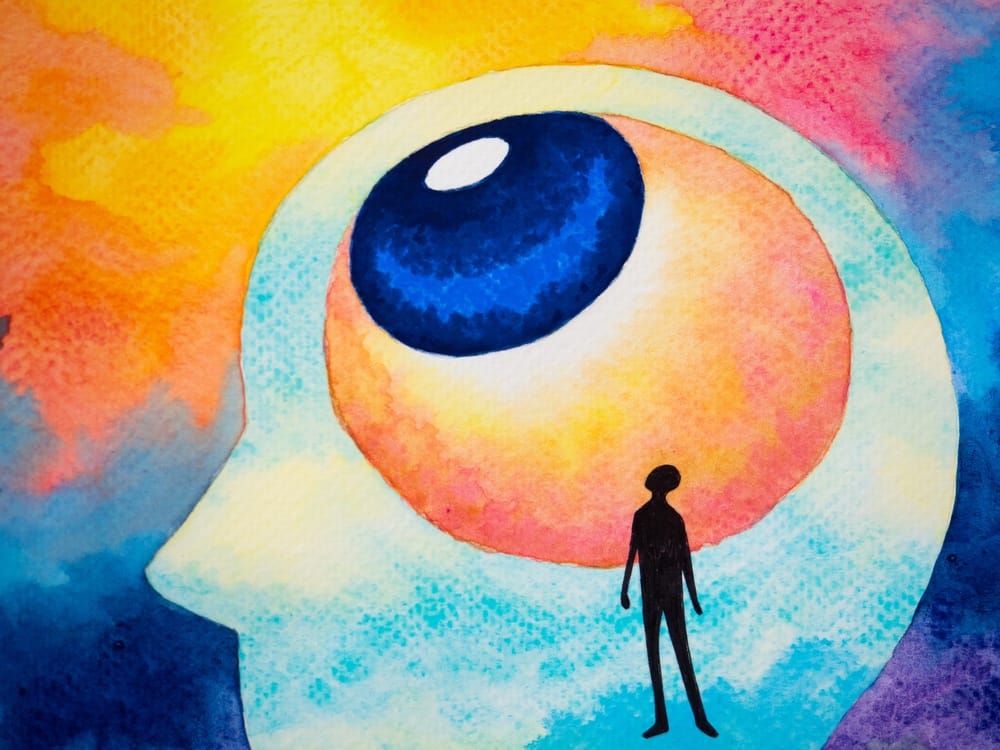
Some people raised within Chinese, Indian and other Asian cultural traditions may understand the person as a whole rather than separating mental and physical experiences. Within these perspectives, health may be associated with balance, nourishment, energy and the interconnectedness of different parts of life.
This does not mean that every Asian person holds the same beliefs. Cultural background, migration, education, family experience, religion and personal preference can all influence how someone understands health. Even within the same family, different generations may hold very different attitudes towards traditional and Western medicine.
Nevertheless, some people may place particular importance on preventing illness, maintaining balance and replenishing the body. They may seek help not only when symptoms become severe, but also when they feel that something within the body is becoming depleted or unbalanced.
By comparison, people may experience Western healthcare as becoming most visible when symptoms require diagnosis, medication or clinical intervention. Whether or not this describes the full scope of Western medicine, it can shape how the healthcare system is perceived.
These different understandings matter when a person enters a mental-health service.
When Medicine Is Perceived as a “Drug”
Some Asian tangata whaiora may understand herbal preparations as natural medicines that nourish the body or restore its balance. At the same time, they may perceive prescribed pharmaceutical medication as an artificial chemical or a “drug” that controls symptoms without addressing the condition of the whole person.
This perception may affect whether someone feels comfortable taking prescribed medication. Some may refuse it. Others may take it reluctantly, reduce the dosage without telling their practitioner or stop once they begin feeling better. Some may use prescribed medication alongside traditional herbs, supplements or other remedies intended to cleanse, replenish or restore the body.
These decisions cannot always be understood simply as someone being “non-compliant.” They may arise from a fundamentally different understanding of what medicine is, what illness means and what the body needs in order to recover.
The result is not greater safety. It is less information and less trust.
Creating a Conversation About Safety
Herbal remedies are not automatically harmless simply because they are considered natural. Some can interact with prescribed medicines. They may increase or reduce the effects of medication, contribute to unexpected side effects or affect how the body processes a prescribed treatment.
This does not mean practitioners should assume that traditional remedies are responsible whenever prescribed medication is not producing the expected result. It means that all medicines, supplements and remedies should be considered together.
A practitioner could respectfully ask:
“What prescribed medicines, traditional preparations, herbal remedies, supplements or health products are you currently using?”
The way this question is asked matters. It should not feel like an interrogation or an attempt to prove that the person’s cultural beliefs are wrong. It should open a caring and meaningful conversation about how the person understands their health and what they are using to support it.
A practitioner might also ask:
- “What does this remedy do for you?”
- “What have you been told about how it works?”
- “Is it important within your family or cultural tradition?”
- “Do you feel comfortable telling me about everything you are taking?”
These questions allow the practitioner to understand the meaning behind the person’s choices. They also create an opportunity to explain possible interactions in a way that informs the tangata whaiora without dismissing their cultural knowledge.
When necessary, a doctor or pharmacist can help examine whether a particular herbal preparation may affect the safety or effectiveness of prescribed medication. The conversation can then focus on informed choices rather than judgement.
Cultural Understanding Is Part of Good Practice
Culturally responsive practice does not require a practitioner to automatically endorse every traditional treatment. Nor does it require the tangata whaiora to abandon their cultural understanding of health in order to receive care.
It begins with curiosity.
If these beliefs are ignored, an important part of the person is also ignored.
Understanding different approaches to health is therefore not merely an interesting cultural discussion. It has practical implications for trust, communication, treatment choices and safety.
When tangata whaiora feel that their beliefs will not be ridiculed, they may be more willing to talk openly about the treatments they are using. When practitioners understand the cultural meaning behind those choices, they are better able to explain potential benefits, limitations and interactions without creating defensiveness.
The purpose is not to decide that one medical tradition is entirely right and another is entirely wrong.The purpose is to understand the person receiving care.
When we move beyond the assumption that everyone understands mind, body, illness and medicine in the same way, we create space for a more honest conversation. Within that space, traditional knowledge, prescribed treatment, cultural identity and personal choice can be discussed together.
Perhaps the first step towards more holistic mental-health care is not immediately asking, “What is wrong with you?”
Perhaps it is asking, “How do you understand what is happening to you—and what does healing mean within your world?”