A brain in pain
In late April, I attended a one-day education program titled Trauma Informed Practice. The training was optional, offered through my organisation, but the title alone — along with the fact it would be presented by the Chair of Mental Health Nursing, no less — had me registering immediately.
A few weeks later, I found myself seated in the training room, exchanging pleasantries with members of my widerteam before the session began.
Two of the key objectives outlined for the day were:
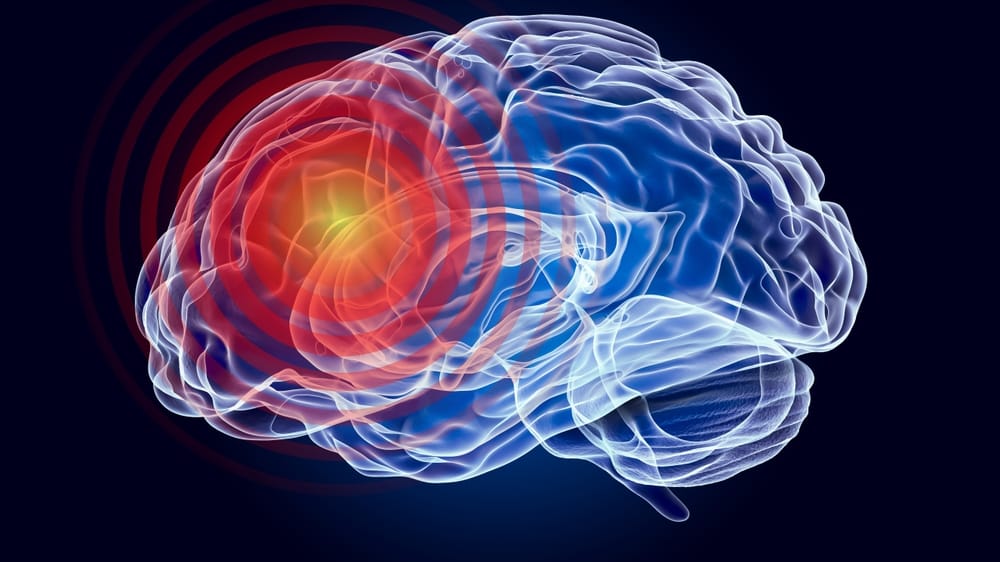
- To define and acknowledge the neurobiological aspects of trauma in the context of mental distress,suicide, and self-harm experiences.
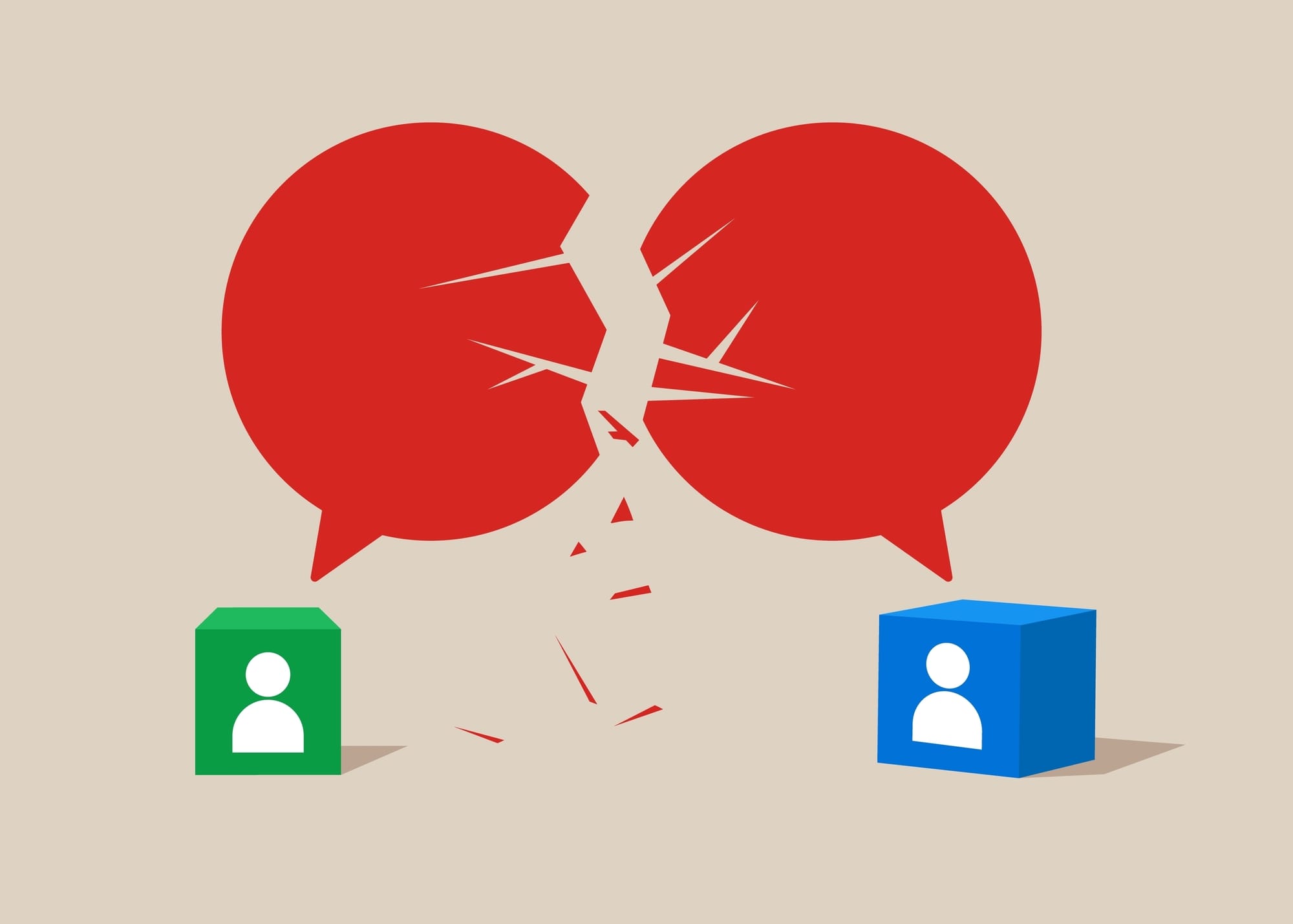
- To consider the effect of trauma on language, interactions, and engagement within mental health and team settings.
What followed was an open, supportive, and deeply reflective discussion. For me, it was both enlightening and, at times, bloody confronting.
Although I had worked in Disability Employment Services for several years, I had never received formal education around trauma, self-harm, and suicide to this level of depth.
This understanding also highlighted how childhood trauma, for example, can significantly alter the developing brain, permanently setting the body’s stress response system to high alert.
As I reflected on this, I thought about the many participants I had worked with over the years, and those I currently support as a Career Coach within a Mental Health Specialist Employment provider.
After nearly a decade in the role, I’ll admit there are moments where dismissiveness or even callousness cancreep in, particularly when faced with behaviours such as aggression or apathy. But through the lens of Trauma Informed Practice, I began to understand that trauma hasoften shaped those very behaviours.
Don’t get me wrong,I pride myself on my empathy and my ability to support participants. But this training wasa genuine lightbulb moment.
I realised that the way I react, listen, and seek to understand the “why” behind behaviours allows me to provide support in a far more person-centred way than I had before.
Having witnessed the evolution of both Disability and Inclusive Employment contracts over the past eight or nine years, I can now see a clear pathway, and a critical need for Trauma Informed Practice to sit front and centre in the future of employment services.